webOS evolution history: How 74% market share started webOS
"The journey of an operating system is often a transition from handheld screens to the centerpiece of the living room."
The evolution of smart TV platforms involves a complex webOS development path that transitioned from mobile devices to sophisticated home entertainment systems.
This guide explores how a mobile-first philosophy shaped modern television interfaces, moving from Palm to LG, while noting the limitations of hardware-specific software.
How did the webOS development path begin?
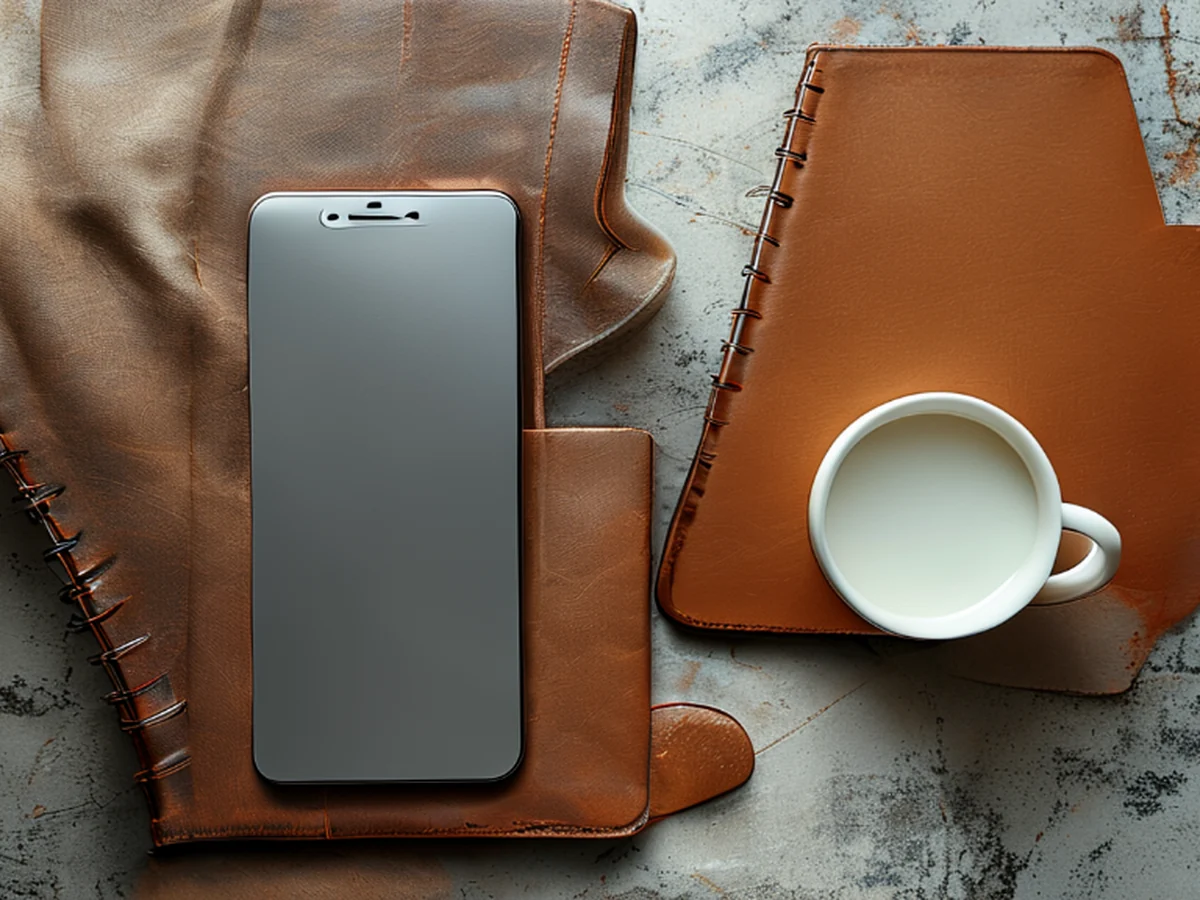
In a dimly lit office during the late night, a programmer rubs tired eyes while tracing the first lines of the webos architecture on a glowing monitor.
A developer sits at a desk in the early 2000s, staring at a flickering screen while coding the foundations of a mobile interface. The lineage of modern smart systems can be traced back to the era of Palm OS, which held a 74% market share in 2000.
The smart TV OS lineage started with mobile-centric designs that prioritized ease of use and multitasking. Before the current era, Palm OS was a dominant player in the market between 1999 and 2002.
This era of mobile computing set the stage for the user-friendly gestures that would later define much more than just phones.
The early mobile environment provided the groundwork for the LG webOS technical roots found in today's displays. While smartphones were the focus, the underlying architecture was being refined for different form factors.
This transition highlights how a single software architecture can migrate across various hardware categories.
What drives the OS change in smart devices? webOS evolution history
In a silent living room at dusk, a user swipes a finger across the screen, feeling the smooth glide of the webos interface.
A technician adjusts a large screen in a bright showroom, testing how a menu slides smoothly across the display. The transition from handheld devices to large-scale screens required a fundamental shift in how users interact with software.
The OS change in smart devices was driven by the need to translate mobile-style simplicity to a stationary, much larger interface. Early mobile operating systems focused heavily on the smartphone experience, but the core logic of managing apps and connectivity remained relevant.

This shift allowed the Palm to LG OS journey to move from pocket-sized screens to the center of the home.
The evolution of these systems reflects a broader pattern in the technology industry. As mobile devices became more capable, the software required to manage them became more robust.
This robustness was eventually ported to the television, where it could handle much larger data inputs and visual outputs.
How do different platforms compare in the market?
A researcher compares two different tablets side-by-side, noting the differences in menu layouts and response times. Understanding the different paths taken by various operating systems helps clarify why certain platforms became dominant in the living room.
The following table compares the market dynamics of the era that preceded the modern smart TV dominance.
| Era/Context | Key Market Factor |
|---|---|
| Early 2000s | Palm OS reached 74% market share in 2000 |
| 2018 Q1 | Android held 48.9% global market share |
The diversity of the smart platform evolution study shows that no single OS was destined to win. Different operating systems, such as those based on the Linux kernel, offered various levels of openness and control.
This competition pushed developers to refine user interfaces for better accessibility.
How do we apply these lessons to current hardware?
An engineer installs a new software update on a smart appliance, ensuring the interface remains responsive. Applying the logic of a mobile-first OS to a large appliance requires careful optimization of resources.
- Prioritize touch and remote-friendly gesture controls. 2. Ensure the software architecture can handle high-resolution visual outputs. 3. Maintain a lightweight kernel to ensure rapid boot times and responsiveness.

I remember watching how the transition from handheld to home software required a complete rethink of input methods. This process is essential for any platform moving between different device categories.
A limitation of this evolution is that software designed for small screens does not always translate perfectly to large displays without significant modification.
- How did the webOS development path begin?
- What drives the OS change in smart devices?
- How do different platforms compare in the market?
The subject here is webOS evolution history.
This part also covers Linux kernel in webOS.
Palm to LG OS journey
Related
- Killer app drives hardware sales: 2,000 to 10,000 cost
- Apple App Store evolution: Tips for 15% commission rates
Why does the OS journey require hardware adaptation?
Adapting an OS for a new hardware form factor requires a comparison between the original mobile environment and the target display size. The transition from handheld screens to the living room necessitates a shift in how software manages visual outputs and data inputs.
- Compare the original mobile-centric design with the requirements of a large-scale stationary interface. 2. Evaluate how the software architecture handles the transition from pocket-sized screens to much larger displays. 3. Assess the necessity of modifying software designed for small screens to ensure it translates to large displays.
If the software is not modified, the transition from a mobile-first philosophy to a television interface may face limitations. This process ensures the software can handle the different hardware categories encountered during the journey.
Wikipedia: LG Electronics Based on the retained excerpt mentioning World Intellectual Property Organization: In 2020, LG Electronics ranked fourth among global applicants under the Patent Cooperation Treaty system, according to the World Intellectual Property Organization.
Comments 0