Why finance apps die: Legislative shifts guide app lifecycle
"The digital landscape shifts faster than a user can swipe, often leaving once-essential tools in the dust of obsolescence."
A finance app might vanish due to regulatory scrutiny, shifting market competition, or unsustainable revenue models. This guide explores the lifecycle of digital financial tools, the impact of regulatory changes, and the economic pressures that lead to market exits.
* Regulatory compliance and legal penalties * Market competition and execution quality * Platform fee structures and revenue sustainability * Legislative shifts in digital markets
Why do finance apps die?

In the dim glow of a late night office, a programmer rubs tired eyes while watching the sudden collapse of a once-promising finance platform.
A developer stares at a declining user base while reviewing a spreadsheet of rising operational costs. This sudden loss of momentum often stems from a failure to maintain regulatory standards or a lack of competitive edge in a crowded market.
Regulatory pressure can lead to significant financial hits that destabilve a company.
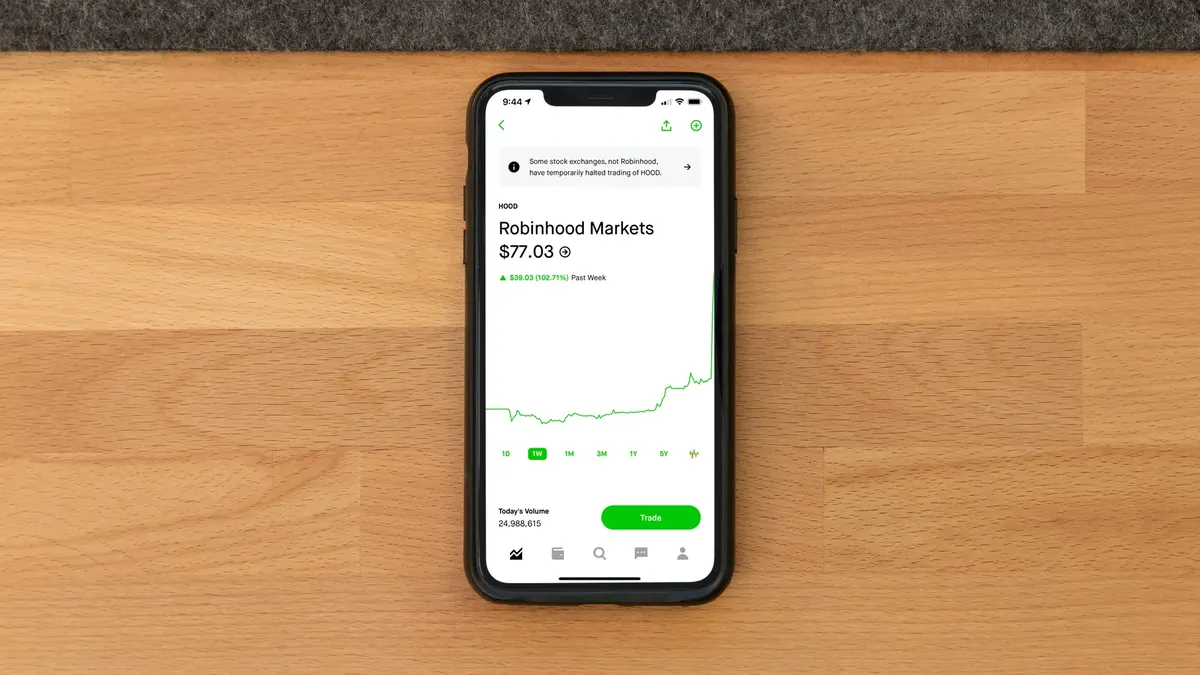
For instance, the Financial Industry Regulatory Authority fined Robinhood $1.25 million in December 2019 for failing to determine whether its market makers provided the best execution quality as compared to other execution venues.
Such penalties can drain the capital necessary for continued innovation.
Market-driven changes also play a role in why finance apps die. When a platform fails to provide competitive execution or value, users migrate to more stable alternatives. This shift often happens during periods of intense scrutiny or when legislative changes alter the playing field.
- Identify unsustainable user acquisition costs.
- Analyze the gap between transaction volume and revenue.
- Assess the impact of sudden regulatory changes.
How do legislative shifts impact app stability? Why finance apps die
A lawyer grips a cold coffee cup at dawn, staring at the new laws that threaten to upend their entire finance software.
A legal team reviews a new set of rules that could fundamentally change how their software operates across borders. Legislative updates can redefine the rules of engagement for digital tools, forcing sudden pivots or complete shutdowns.
In December 2020, the European Commission released a legislative proposal that intends to protect consumer welfare and to restore a level playing field in the European Union's digital market. These types of changes can disrupt established business models overnight.
An appgoing obsolete often results from an inability to adapt to these massive legal shifts. When the rules change, companies that cannot pivot to meet new standards of consumer welfare or market fairness may find themselves unable to function in specific regions.
In this sequence, the second step is the most extensive.
According to The Financial Industry Regulatory Authority, the 2019 record includes 1.25 million.
What role do platform fees play in app failure?
A business owner calculates the percentage of revenue lost to an app store, realizing the margin is thinner than expected. The cost of distribution is a constant weight on the financial health of any digital product.

Platform fees directly impact the ability of a company to reinvest in its technology. For example, Microsoft takes 5–15% of the sale price for apps and 30% on Xbox games. These costs must be managed carefully to ensure the app remains profitable.
The history of these fees shows how they have evolved over time. Initially, Microsoft took a 30% cut of app sales until it reached US$25,000 in revenue, after which the cut dropped to 20%. This kind of variable structure provided a buffer for growing developers.
How did fee structures change over time?
A developer reviews old contract terms to understand why their previous growth model no longer works. Changes in how platforms charge for sales can turn a profitable app into a struggling one.
The transition in fee models can be jarring for established players. Prior to January 1, 2015, this cut was reduced to 20% after the developer's profits reached $25,000. This provided an incentive for scaling businesses.
However, the landscape changed significantly with new policies. On January 1, 2015, the reduction in cut at $25,000 was removed, and Microsoft takes a 30% cut of all app purchases, regardless of overall sales. This removal of the threshold can squeeze the margins of growing apps.
Can regulatory questioning affect an app's future?
A CEO sits at a witness table, answering questions about company practices during a high-stakes hearing. Public scrutiny can damage brand reputation and lead to intense political pressure.
According to the Financial Industry Regulatory Authority, Robinhood was fined $1.25 million in December 2019 for failing to determine whether its market makers provided the best execution quality as compared to other execution venues.
Direct questioning from government bodies can signal trouble for an app's longevity. The House Committee on Financial Services questioned Robinhood CEO Vladimir Tenev during a hearing on February 18, 2021. Such moments highlight the risks of operating in highly regulated sectors.
If an app cannot survive the scrutiny of lawmakers or the loss of public trust, it faces an abrupt end. This instability is a key factor in the decline of fintech tools.
How to evaluate app sustainability?
An analyst compares the revenue of several competing apps to determine which ones are most likely to survive the next year. Evaluating sustainability requires looking at both the platform costs and the regulatory environment.
To assess a tool's longevity, follow these steps:
- Analyze the current fee structure and its impact on net profit. 2. Review recent regulatory actions or pending legislation in the target market. 3. Compare execution quality and service features against primary competitors.
After completing these steps, perform a final check to see if the current revenue model can withstand a significant increase in compliance costs or platform fees.
I once reviewed a similar margin structure to see if we could sustain our own growth.
A limitation of this analysis is that it focuses on specific historical fee changes and regulatory events, which may not reflect the real-time fluctuations of all global digital markets.
The same subject is also called App lifecycle finance.
The same subject is also called Fintech app failure.
The same subject is also called App going obsolete.
The same subject is also called Digital finance decline.
This part also covers Finance app revenue issues.
This part also covers Market reasons apps vanish.
This part also covers App lifecycle analysis.
Finance app revenue issues
Related




Comments 0