Can a finance app subscription model offer better stability?
"The digital landscape is shifting toward models that prioritize immediate accessibility over long-term subscription fatigue."
The shift toward paid models in the 2026 app market often stems from the need to sustain advanced features like 5G and AI-driven experiences. Users are navigating a landscape of subscription fatigue, seeking tools that offer immediate value without constant registration or hidden fees.
This guide explores why certain platforms transition to paid models, compares them to free alternatives, and provides steps to evaluate app value.
Why are 2 enough new app paid reasons appearing?
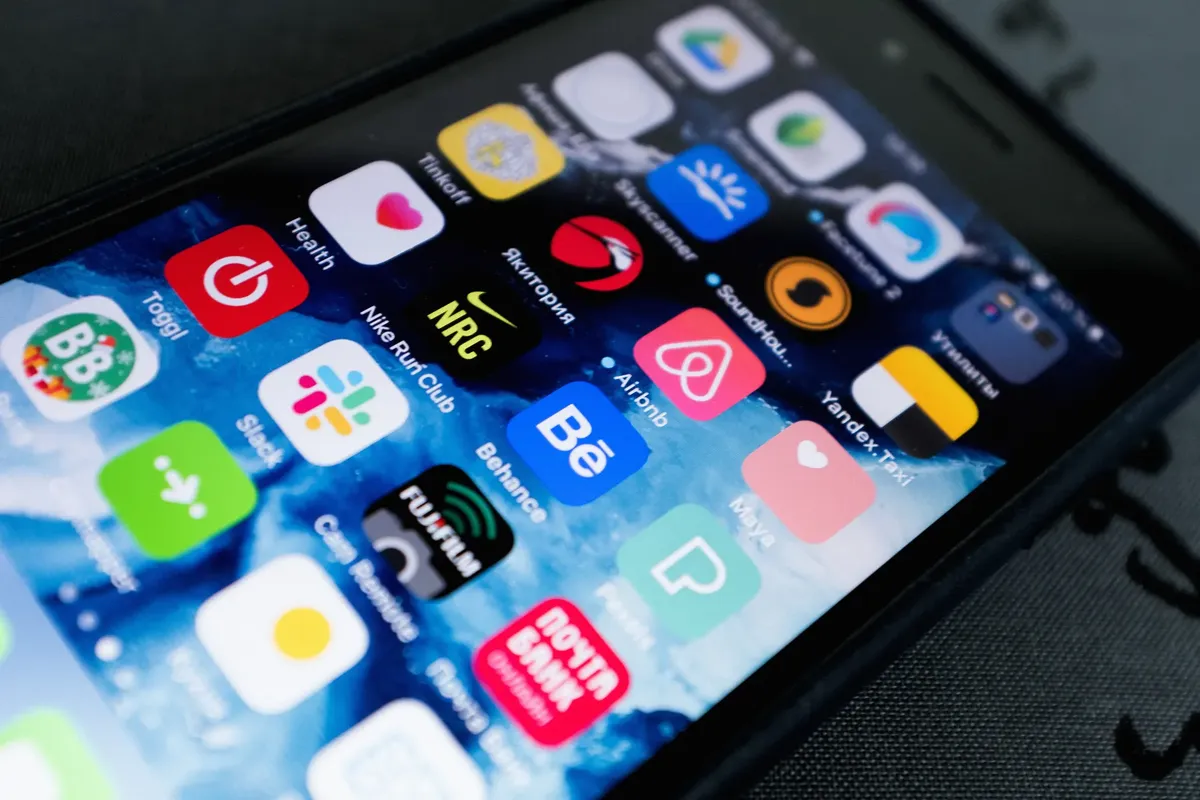
At dawn, a developer rubs sleepy eyes while staring at a screen where the rising cost of infrastructure threatens their digital finance strategy.
A developer sits at a desk, staring at a screen filled with complex code representing a new social platform. The tension between providing high-end features and maintaining a sustainable revenue stream defines the modern app economy.
The rise of 2026 new app paid reasons often relates to the increasing cost of maintaining high-bandwidth services. As 5G, AI, and AR/VR enable richer experiences, developers face higher operational costs that traditional ad-supported models struggle to cover.
This creates a push toward premium tiers to sustain the infrastructure required for such intensive data processing.
In some cases, monetization strategies evolve as user bases grow and developer needs change. A new app monetization 2026 strategy might involve moving from a free model to a subscription to fund advanced content moderation or server stability.
This shift ensures that the platform can continue to scale alongside increasing global internet adoption.
- Increased operational costs for cloud infrastructure.
- Demand for specialized, high-quality features.
- Need for continuous software updates and security patches.
How do we understand why apps charge 2026 users? 2026 new app paid reasons
At dusk, a user sighs while tapping a smartphone screen, pondering the sudden shift in their digital finance landscape.
A user scrolls through an app store, hesitating before clicking "Subscribe" on a colorful icon. They are weighing the cost of a monthly fee against the utility of the digital tool in their daily life.
Understanding why apps charge 2026 users involves looking at the specific value propositions offered. When a service moves from a free to a paid model, it often promises enhanced privacy, better tools, or an ad-free environment.
The goal is to convert casual users into loyal subscribers by providing utility that justifies a recurring cost.
A paid model new apps strategy might also focus on niche markets where users are willing to pay for specialized tools. For example, tools designed for professional-grade video editing or advanced financial management often require a paid entry point to cover the development of high-level features.
This targeted approach ensures that the revenue is directly tied to the specialized utility provided to the user.
In this sequence, the second point is the longest.
Can a finance app subscription model offer better stability?

An analyst reviews a spreadsheet, comparing the growth of subscription-based financial tools against older, ad-heavy platforms. The data shows a clear trend toward predictable monthly recurring revenue.
A finance app subscription model provides a steady stream of income, allowing for continuous updates and security enhancements. This predictability is vital for apps handling sensitive user data, where downtime or security lapses are not an option.
By securing a subscription base, developers can invest in the robust infrastructure necessary for financial reliability.
The user adoption paid apps trend suggests that users are becoming more selective about which services they pay for. They tend to favor apps that integrate deeply into their professional or personal workflows.
If an app provides indispensable utility, the transition to a subscription model becomes a manageable part of the user's digital budget.
Is a medical app paid strategy more effective for privacy?
A developer adjusts privacy settings on a secure server, ensuring that sensitive user data remains encrypted and isolated. They are building a wall of digital protection around the user's personal information.
A medical app paid strategy often focuses on the high cost of data security and regulatory compliance. Users seeking health-related tools are frequently willing to pay a premium for the assurance that their data is handled with the highest level of privacy and encryption.
This revenue supports the specialized legal and technical teams required to maintain such standards.
The intersection of health technology and privacy creates a unique market where the cost of service is seen as an investment in security.
While free apps may struggle to maintain rigorous privacy standards due to data-selling pressures, paid models can prioritize user protection as a core product feature. This alignment of cost and value is a key driver in the health tech sector.
How to evaluate a new app's value?
A consumer holds a smartphone in one hand and a credit card in the other, looking at a prompted upgrade window. They are performing a mental calculation of cost versus benefit before making a decision.
To navigate the changing market, users can follow these steps to determine if a paid app is worth the investment:
- Assess the core utility of the app to see if it solves a recurring, significant problem in your daily routine. 2. Compare the features offered in the paid tier against the free version to ensure the upgrades are meaningful. 3. Evaluate the long-term cost against the frequency of use to ensure the subscription remains economically viable.

After selecting a tool, perform a final check by monitoring the app's performance and feature updates over the first three months. This ensures that the service continues to deliver the promised value as the platform evolves.
| Feature Type | Purpose | User Benefit |
|---|---|---|
| Subscription | Sustaining advanced tech | Continuous feature updates |
| One-time Purchase | Immediate access | No recurring monthly fees |
I once spent a month testing a premium productivity app to see if the subscription was truly necessary for my workflow.
The limitation of this analysis is that it does not account for sudden shifts in regional economic stability or specific local regulatory changes that could force sudden pricing shifts.
The same subject is also called app revenue shift 2026.
Related




Comments 0