What role did hardware releases play in market expansion?
"The evolution of digital distribution transformed how users interact with personal hardware, shifting from simple wireless downloads to complex ecosystem management."
The early era of mobile application distribution focused on establishing reliable wireless delivery and hardware integration to create a sustainable marketplace.
This period saw the transition from basic ringtone downloads to sophisticated software centers that allowed for the purchase of specific digital tools.
Key takeaways include the importance of hardware-software synergy, the shift toward specialized software repositories, and the necessity of regulatory compliance in global markets.
How did early wireless services set the stage for app stores?
A technician at a service center in 2001 connects a new 3G-capable device to a network, checking the signal strength for the first time. This early stage of digital distribution relied on nascent wireless technology to deliver content directly to handsets.
In December 2001, Sprint PCS launched the Ringers & More Wireless Download Service for their then-new 3G wireless network. This service allowed users to acquire content via wireless channels, laying the groundwork for future mobile commerce.
Before modern high-speed connections, users often obtained digital content through SMS short codes or via the web to be transferred to devices.
The shift toward more robust connectivity allowed for the expansion of what a mobile device could actually do. These early movements proved that users were willing to pay for digital content delivered over the air.
- Establishing basic data connectivity protocols. 2. Developing user interfaces for mobile devices. 3. Integrating wireless service plans with device access.
What role did hardware releases play in market expansion?
As the sun rose on a summer morning, the clerk slid the sleek device into a case, recognizing its role in bringing the new market to life.
A retail clerk unboxes a new smartphone, sliding it into a protective case while the screen glows with a pre-installed interface. Hardware and software integration became the primary driver for user adoption during the late 2000s.
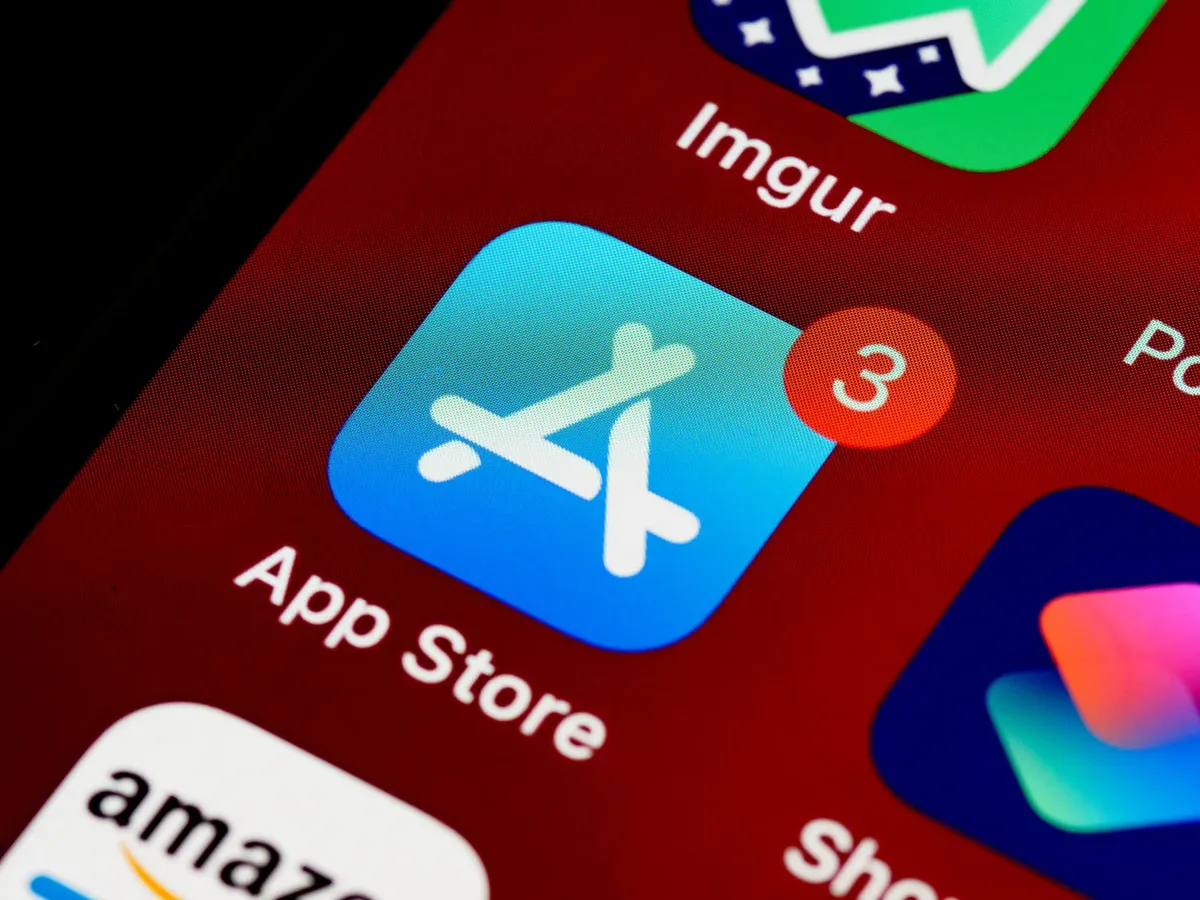
On July 11, the iPhone 3G was released and came pre-loaded with support for the App Store. This integration ensured that the marketplace was immediately accessible to every new user upon activation. The synergy between the device and the storefront allowed for rapid growth.

By July 2011, just 16 months after the release of the initial iPhone, there were over 100,000 apps available designed specifically for the device. This density of available software created a virtuous cycle of hardware sales and app development.
In this sequence, the second step is the most significant.
How did software centers evolve to include commerce?
At midnight, a developer stares at the glowing screen in his office, pondering the expanding role of digital storefronts.
A developer sits at a desk, typing lines of code into a terminal to prepare a new piece of software for a digital repository. The concept of a "store" evolved from simple file hosting to a structured environment for purchasing specialized tools.
In October 2010, the release of Ubuntu 10.10 saw the Software Center expand beyond only offering existing software from its repositories by adding the ability to purchase certain apps. At its launch, this capability was limited to Fluendo's licensed DVD codecs.
This represented a move toward centralized, secure commerce within an operating system.
This transition required a balance between open-source flexibility and the structured nature of commercial transactions. It set a precedent for how operating systems would manage third-party software.
How did regulatory environments impact app distribution?
A legal professional reviews a stack of documents regarding international digital trade regulations. As platforms expanded globally, they encountered diverse regulatory landscapes that required significant shifts in operational strategy.
In December 2020, Apple began removing thousands of video game apps from their platform in China in accordance to regulations regarding licensing enacted by the country's Cyberspace Administration. This process often occurred without explicitly stating the offenses grounding the removals.

Such events highlight the tension between global platforms and local government mandates.
Navigating these rules became a core component of platform management. Companies had to adapt their content to meet the legal requirements of different territories to maintain market access.
What were the primary methods for managing app lifecycles?
A system administrator monitors a dashboard showing various app versions and status updates. Managing a massive library of software requires strict protocols for updates, pre-orders, and removals.
Platforms developed various mechanisms to manage the flow of content: 1. Developers can use pre-order features to make apps visible in the store between 2–90 days ahead of release. 2.
Subscription models were introduced for magazines, newspapers, and music apps in February 2011 to provide recurring revenue. 3. Platforms implement automated removal processes, such as removing apps that crash on startup immediately.
I once observed how a single update could change the entire visibility of a developer's work within a store. These tools allowed for better planning and more stable user experiences.
How did revenue models change over time?
A business analyst compares two different spreadsheets showing percentage splits between developers and platform owners. The economic structure of app stores has undergone numerous adjustments to accommodate different scales of business.
| Feature | Original/Previous Model | Updated/Alternative Model |
|---|---|---|
| Small Business Program | 30% revenue cut | 15% revenue cut |
| In-app Purchase Commission | 7% commission | 2.5% commission |
I noticed how these shifts in commission rates directly influenced the types of developers who entered the market. The evolution of these models reflects the changing economics of the mobile industry.

A limitation of these historical analyses is that they primarily focus on Western and specific East Asian market dynamics, which may not reflect the entirety of global mobile history.
- How did early wireless services set the stage for app stores?
- What role did hardware releases play in market expansion?
- How did software centers evolve to include commerce?
Early app store growth analysis
The subject here is Early app store growth analysis.
The same subject is also called 2008 app store launch.
The same subject is also called Mobile platform early days.
The same subject is also called Initial market app stores.
The same subject is also called Service release mobile era.
This part also covers App store expansion strategy 2009.
This part also covers Analyzing early mobile market.
This part also covers Platform growth in 2008-2009.
App store expansion strategy 2009
Related






Comments 0