Why do current education app results fall short?
"The transition from traditional classrooms to digital interfaces has left many searching for meaningful engagement."
Many families are turning away from standard digital tools because current educational platforms often fail to address specific parental values or provide the personalized moral instruction desired in home settings.
This shift is driven by growing concerns over school environments and a desire for more direct involvement in student development.

This article examines why current education app trends often fail to meet these needs, explores the rise of alternative learning environments like homeschooling, and provides a comparison of educational spending and growth metrics.
Why do current education app results fall short?
At dusk, a parent sighs while tapping a cold tablet screen, frustrated that current education app results fail to spark any real wonder.
A parent stares at a tablet, watching a child click through repetitive exercises that offer no deep engagement. The digital interface often priorit�s gamification over actual knowledge retention, leading to poor education app results that frustrate both teachers and parents.
While digital tools promise accessibility, they often lack the depth required for comprehensive learning. Many platforms focus on rote memorification rather than critical thinking, which fails to meet the standards of the International Standard Classification of Education maintained by UNESCO.
These tools can sometimes act as a distraction rather than a supplement to real learning.
- Passive consumption replaces active engagement.
- Gamification prioritizes points over mastery.
- Lack of personalized feedback loops.
How does user behavior in study apps impact learning? Why 2026 study apps fail
At midnight, a student taps the screen with frantic movements, feeling the current distraction pull their focus away from the textbook.
A student swipes through endless content, moving from one task to another without absorbing any foundational concepts. This constant shifting of focus represents a common pattern where user behavior in study apps prevents the deep concentration necessary for mastery.
Digital environments often prioritize engagement metrics over educational outcomes. When an app is designed to keep a user clicking, it may inadvertently train the brain to seek quick hits of dopamine rather than sustained intellectual effort.
This misalignment between engagement and education can lead to significant gaps in student understanding over time.
In this sequence, the second step is the most significant.
According to OECD, the 2018 record includes 5%.
What are the app limits learning gain factors?
A teacher looks at a screen filled with data, realizing that high usage scores do not translate to improved test results. These app limits learning gain are frequently caused by a lack of structured curriculum and the absence of human mentorship in purely digital spaces.

The lack of social interaction and real-world application in many apps limits the ability to translate digital tasks into practical skills. Without a way to bridge the gap between a screen and reality, the knowledge remains superficial.
This disconnect is a primary reason why digital-only approaches often struggle to produce long-term academic success.
Looking at the rise of alternative learning models
A family sits around a wooden table, replacing a laptop with physical books and guided discussions. This scene reflects a broader trend where families seek environments that offer more than just digital interaction, moving toward more controlled and values-based settings.
The movement toward homeschooling in the United States has seen significant shifts. Currently, 3.4% of kids in the United States are homeschooled, while another 1.8% are in virtual schools.
This indicates a growing segment of the population seeking alternatives to traditional institutional structures.
| Metric Type | Value/Growth |
|---|---|
| Virtual School Enrollment | 1.8% |
| Homeschooling Growth (South Carolina) | 21.5% |
I noticed during my own research into educational trends that the growth in non-traditional settings often coincides with a desire for more customized curricula. This shift highlights the limitations of standardized digital tools in meeting diverse family needs.
How can parents navigate these educational shifts?
A mother carefully reviews a curriculum, weighing the pros and cons of different instructional methods. To manage this transition effectively, parents can follow a structured approach to ensure their children's needs are met outside of a standard classroom.
- Define specific learning objectives that go beyond simple digital interaction. 2. Integrate physical materials and hands-on activities to supplement any digital tools used. 3. Establish a consistent schedule that balances structured study with independent exploration.
A final check involves reviewing the child's progress against established educational frameworks to ensure they are meeting necessary developmental milestones. This process helps ensure that the move away from standard apps leads to genuine academic growth.
What are the reasons for the shift toward homeschooling?
A father discusses curriculum choices with a spouse, reflecting on the reasons for moving away from traditional schooling. The motivations for this shift are often deeply personal and rooted in specific family values.
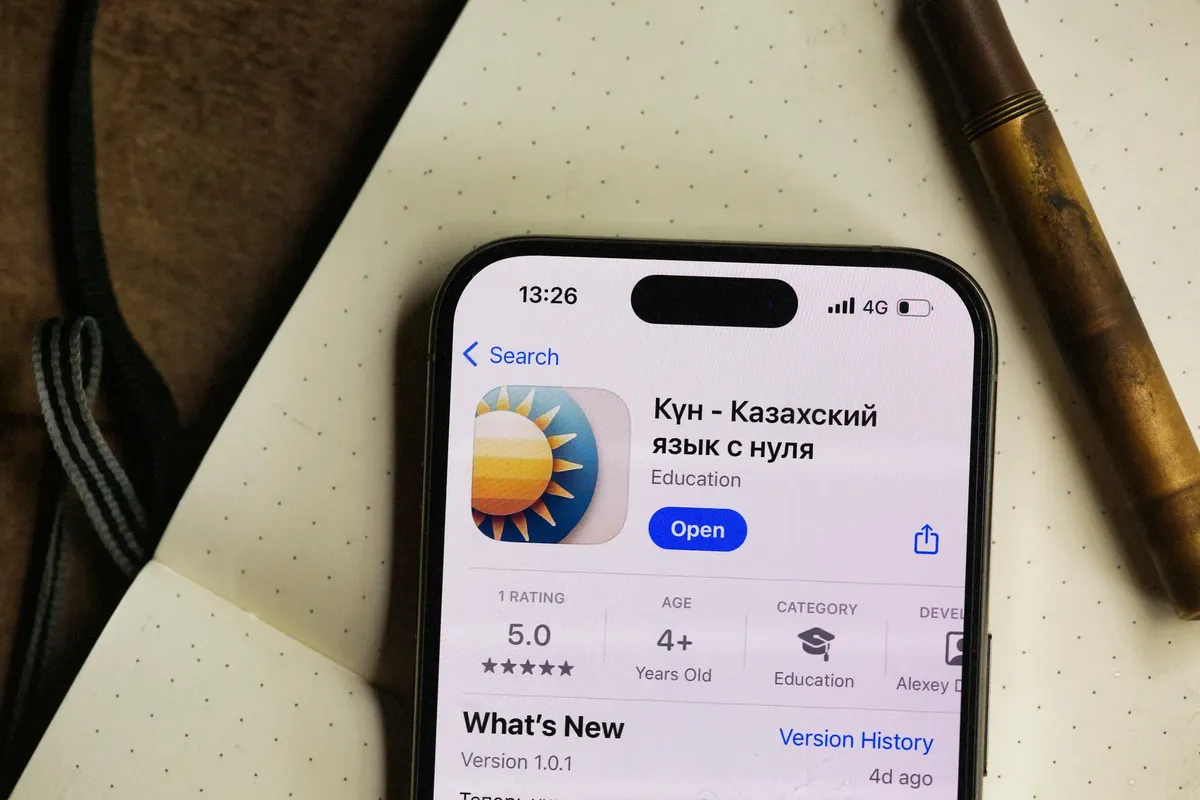
Of those parents homeschooling their kids, 83% had concerns about the school environment and 75% said they wanted to provide moral instruction. These figures suggest that the move is often a proactive response to perceived deficiencies in traditional educational settings.
The growth of these alternative models is accelerating in certain regions. In the 2024-2025 school year, homeschooling grew by double digits, with South Carolina reporting 21.5% growth from the previous year. This rapid expansion shows how much families are prioritizing these alternatives.
The subject here is Why 2026 study apps fail.
The same subject is also called Low student engagement apps.
This part also covers Better study app alternatives.
This part also covers Improving learning app design.
This part also covers Measuring app study impact.
Better study app alternatives
Related




Comments 0