Health app real impact: Why app use no results occurs
"The digital interface often provides a sense of progress that the physical body does not immediately mirror."
Understanding the real impact of health app use requires distinguishing between data tracking and actual wellness outcomes. This guide explores why users often feel stagnant despite constant monitoring, how to pivot toward meaningful engagement, and the limitations of digital-only interventions.
Why does health app real impact feel so inconsistent?
At dawn, she taps the glowing screen with a heavy sigh, feeling the disconnect between her rising digital metrics and her stagnant sense of health.

A user stares at a smartphone screen, tapping through colorful charts that show rising activity levels while feeling no physical change. This disconnect occurs because data collection does not always equate to lifestyle improvement.
The disconnect between digital metrics and physical reality can lead to frustration. While an app might log every step, the data alone does not change metabolic or psychological states without manual behavioral adjustments.
Users often fall into the trap of "passive tracking," where the act of recording data becomes a substitute for the actual effort required to improve health.
When the digital interface provides a sense of accomplishment that the physical body does not mirror, the user may experience a lack of motivation. This phenomenon suggests that digital health tools are often secondary to human agency.
Is app use no results a common user experience?
A person finishes a strenuous workout and logs it into a wellness app, only to find the interface remains unchanged. This scenario highlights the gap between effort and feedback.
Many users struggle with the reality that app use no results can occur if the software lacks personalized, actionable guidance. If an application only records data without offering a way to interpret it for lifestyle changes, the user remains stuck.
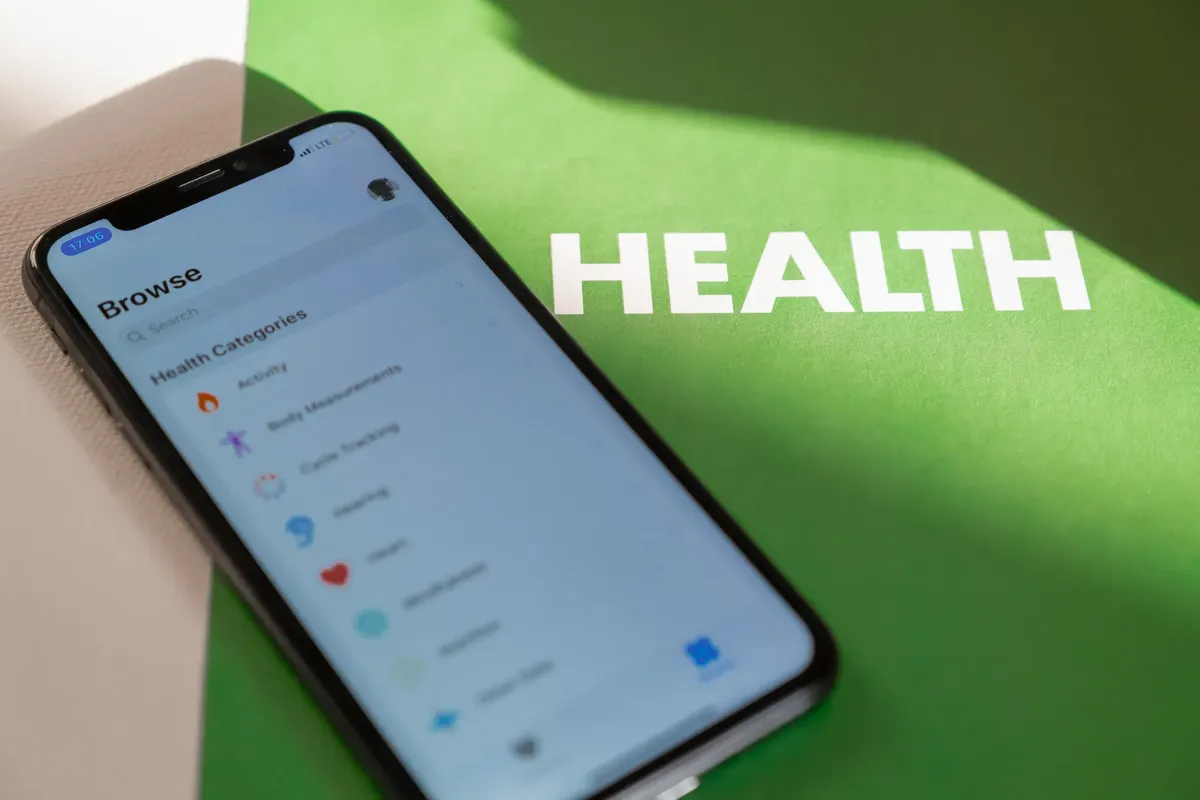
This lack of direction can lead to digital health doubts among those seeking tangible improvements. Without a bridge between data and habit, the software remains a mere ledger of past actions rather than a tool for future change.
How can we address tracking health limits?
While hiking the steep trail at noon, he wipes sweat from his brow and realizes the screen cannot capture his true state of health.
A hiker looks at a GPS map on a tablet, realizing the device cannot account for the actual fatigue felt in their legs. The limitation of the tool becomes obvious in the face of physical reality.
As reported by the National Institute, approximately one in five coal miners with at least 25 years' experience in central Appalachia had black lung disease in 2018.
Addressing tracking health limits involves recognizing that sensors cannot capture the full complexity of human biology. A digital tool might track heart rate or step counts, but it cannot fully grasp the nuances of mental fatigue or subtle physical discomfort.
To mitigate this, users must treat the app as a supplement rather than the primary source of truth. Relying solely on a screen can lead to overtraining or ignoring genuine physical signals.

Understanding these boundaries helps prevent the frustration of chasing numbers that do not reflect true well-being.
What are the strategies for boosting user engagement?
A person sets a notification on their phone, intending to use the reminder to take a walk outside. The goal is to turn a digital nudge into a real-world action.
Effective strategies for boosting user engagement focus on moving the user from the screen to the real world. Instead of just looking at graphs, users should use the data to inform specific, time-bound tasks.
For example, a user might use a sleep tracker to decide on a specific bedtime rather than just viewing a sleep score. This transition from passive observation to active implementation is key to seeing results.
If the goal is to bridge the gap between the digital and the physical, the app must serve as a roadmap, not just a diary.
How can we navigate when apps lack trust?
A user hesitates to enter sensitive health data into a new wellness application, questioning the privacy and accuracy of the platform. This skepticism can halt any potential progress.
According to the American Psychological Association, there is a health advisory regarding the use of generative AI chatbots and wellness applications for mental health.
Navigating the situation when apps lack trust requires a critical eye toward data privacy and scientific validity. Users should investigate the transparency of the algorithms used to generate health scores.
If an application provides vague metrics without clear explanations, it may be difficult to rely on for serious health management. Building trust requires consistent accuracy and clear communication from the developer.
Without this, users are unlikely to integrate the tool into their long-term wellness routines.
How to use health apps effectively
A person sits at a wooden desk, reviewing a week of data before planning the next set of physical goals. This structured approach turns raw data into a plan of action.
According to the Association (APA), there is a health advisory regarding the use of generative AI chatbots and wellness applications for mental health.
To maximize the utility of a digital tool, follow these steps:

- Set specific, measurable goals based on the data provided, such as increasing daily steps by a set percentage. 2. Integrate the data into a physical routine, using the insights to adjust sleep schedules or meal timing. 3. Perform a weekly review to compare digital trends with physical sensations to ensure the data aligns with reality.
I find that comparing my recorded sleep data to how I actually felt upon waking helps me decide which habits to change.
| Feature | Potential Benefit |
|---|---|
| Data Logging | Provides a historical record of activity |
| Trend Analysis | Identifies patterns in health behavior |
A limitation of these tools is that they cannot replace professional medical advice or direct clinical intervention.
- Why does health app real impact feel so inconsistent?
- Is app use no results a common user experience?
- How can we address tracking health limits?
Related
- Why do current education app results fall short?
- Device Management: Why Boost device management efficiency
When does the digital interface mislead the user? When the digital interface provides a sense of progress that the physical body does not immediately mirror, the user risks misinterpreting the data. This discrepancy suggests that the metrics tracked might be incomplete indicators of overall wellness. The feeling of stagnation, despite rising activity logs, points toward a need for deeper behavioral shifts beyond mere data collection.
The digital interface can create a false sense of security when users focus only on positive trends. This focus on the screen can cause individuals to overlook subtle negative physical signals that the app is not designed to capture.
Recognizing this limitation is crucial for maintaining a balanced approach to health monitoring.
Users must remember that the digital interface is a representation, not the entirety, of their physiological state. The comparison between logged data and felt experience reveals where the intervention needs to shift from passive recording to active, mindful adjustment.



Comments 0