Digital Health: How Apps Drive Better Outcomes After 90 Days
"Could a small screen in your palm hold the key to a longer, sharper life?"
If a smartphone could track your every movement and health shift, would it be more than just a gadget? For many, it is becoming a vital lifeline for wellness.
* Visualizing health trends through intuitive data tracking. * Bridging the gap between home monitoring and clinical care. * Encouraging long-term behavioral changes through consistent feedback. * Setting and tracking personalized wellness goals.
Why are we so hooked on health apps?
The blue light of a smartphone illuminates a face in a dark bedroom at 6:00 AM. Before even stepping out of bed, a person swipes through a sleep report, checking sleep efficiency and deep sleep cycles. This ritual—the first act of the day—is becoming a global standard.
This shift is reflected in massive market projections. The global mobile health market is expected to grow from $71.6 billion in 2024 to $268.46 billion by 2034, representing a 275% increase driven by mobile health apps and digital transformation.
Users aren't just logging numbers; they are reacting to the feedback those numbers provide. When movement is translated into actionable data, users develop a sense of trust and engagement with the platform.
However, this technological surge is doing more than just satisfying curiosity; it is fundamentally changing how medical professionals interact with patients.
As of 2025, the constant stream of notifications keeps us checking our progress every 15 to 30 minutes.
How efficient is this tech in a clinical setting?
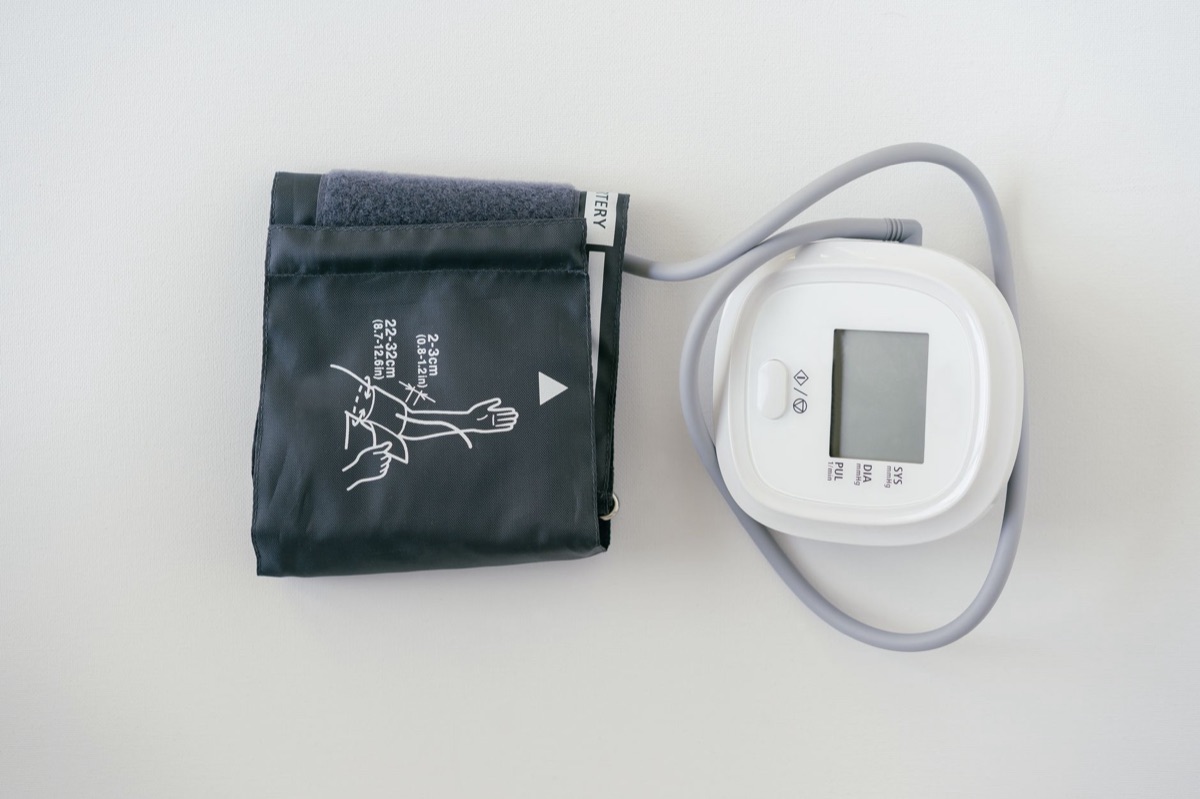
A doctor sits in a bright office, looking at a tablet propped up on a mahogany desk. Instead of flipping through a messy paper notebook, the physician swipes through a clean digital interface to review a patient's recent vitals.
The efficiency gains are measurable. According to JMIR formative research (2024), the time it took to upload pictures to a clinical picture and archiving system was significantly shorter for the app (mean 1.8 minutes) than for a traditional camera (mean 14.9 hours).
This speed helps bridge the information gap between healthcare providers and patients. When data is shared almost in real-time, the quality of medical service naturally rises.
But does having access to this data actually lead to better health outcomes for the individual?
Clinicians often review data logs covering 7 to 14 days of continuous monitoring to make informed decisions.
Can changing our habits through an app actually improve health?
A runner adjusts their smartwatch while catching their breath in a local park. As their heart rate climbs, the glowing numbers on the wrist serve as a compass, telling them if their intensity is on target.
The key to success often lies in how long a person sticks to a routine. For instance, research shows that consistency matters. According to BMC geriatrics (2023), dance interventions of longer duration (more than 3 months) improved global cognition more than shorter interventions.
The "stickiness" provided by a health app—the ability to stay engaged over months—is a primary driver for physical and mental changes.
Still, it is important to recognize that not every user will see the exact same results.
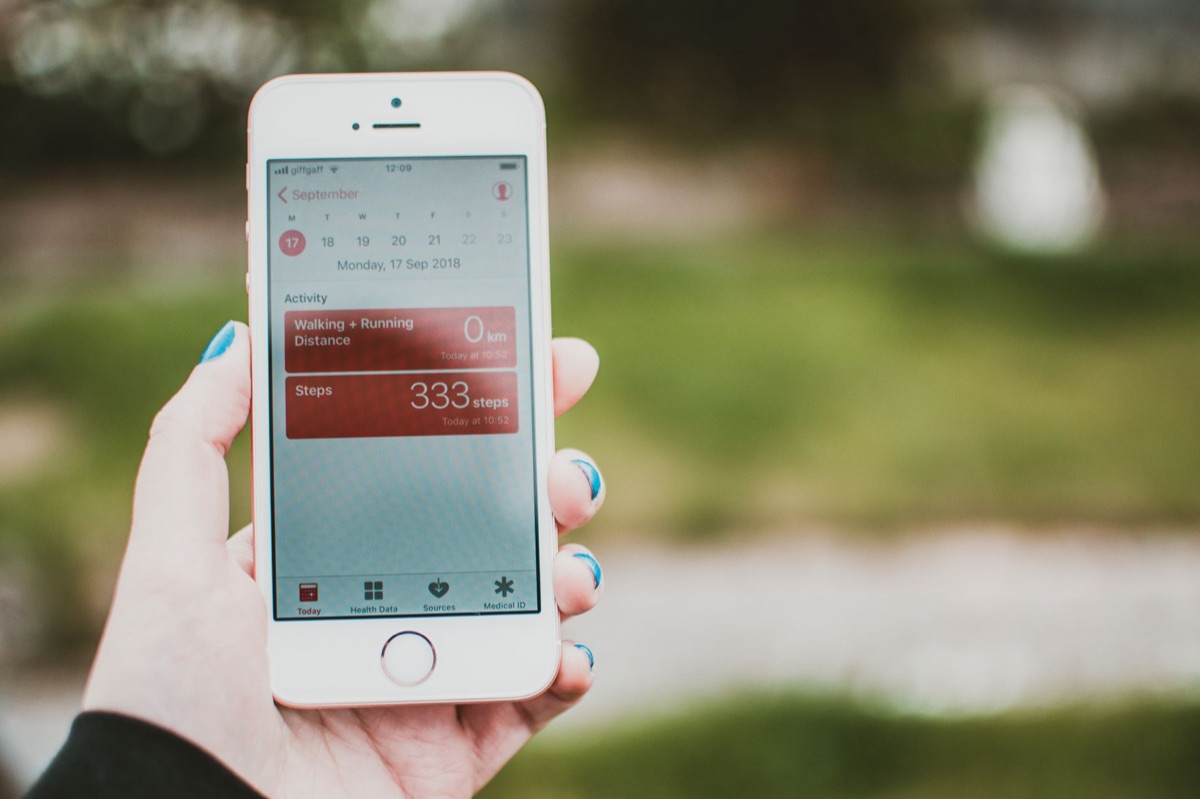
Setting a goal to walk 10,000 steps daily or engaging in 30 minutes of moderate exercise can lead to noticeable changes. When I tried this, I was surprised by how much easier it was to stay motivated when my progress was visualized in real-time.
Why do results vary between different people?
An elderly man sits at a cafe table, squinting at a glucose reading on his phone after a meal. The number on the screen provides immediate feedback on whether his breakfast was appropriate for his health needs.
The effectiveness of an app can sometimes be influenced by demographic factors, though research shows limits to these differences.
According to a study in Digital health (2023), no statistically significant differences were observed between gender or age for those who activated a health app (average age 59.2) and those who did not (average age 57.6).
This suggests that while age and gender are factors, the ultimate impact depends on how a user interprets the data and applies it to their daily life. Technology is a tool, but the value is created by the person using it.
So, how should we choose the right tool for our own needs?
Biological factors mean one person might see results after 2 weeks, while another needs 8 to 12 weeks of consistent use. Individual metabolic rates and sleep patterns often fluctuate by 1 to 2 hours daily.
How to choose the right health app for you
A person scrolls through a crowded app store, overwhelmed by a sea of colorful icons. Some apps require a monthly subscription, while others are free; some are feature-heavy and complex, while others are minimalist.
To make an informed decision, consider these five criteria:
- Integration Capabilities: Does it sync easily with your existing smartwatch, scale, or glucose monitor? 2. Ease of Use: Is the logging process intuitive, or will it become a chore after three days? 3. Reporting Features: Does it turn raw data into easy-to-read graphs and summary reports? 4. Credibility: Is the health advice provided based on verified medical evidence? 5. Goal Alignment: Is it specialized for your specific needs, such as weight loss, chronic disease management, or fitness?
Using these benchmarks helps you find a tool that fits your lifestyle rather than one that complicates it.
Comparison of Health App Types
| Category | Focus | Primary Advantage | Potential Drawback | Best For |
|---|---|---|---|---|
| Tracker-Centric | Personal data logging | High privacy and customization | Can feel isolating | Data enthusiasts |
| Community-Based | Challenges and social feeds | High motivation and engagement | Potential for social stress | Social exercisers |
| Clinical-Linked | Medical integration | Professional-grade management | Steep learning curve | Chronic condition management |
Personal Readiness Checklist
* [ ] Do I have a clear, specific health goal? * [ ] Can I commit at least one minute a day to logging data? * [ ] Do I already own a wearable device that needs syncing?
If a list of tasks—tracking meals, sleep, and steps—becomes too long, most people will eventually quit.
- Identify your primary goal, such as weight loss or sleep tracking.
- Compare the monthly subscription costs, which typically range from $5 to $15.
- Test the user interface to ensure it takes less than 2 minutes to log an entry.
- Check if the app integrates with your existing wearable devices.
The limits and risks of digital health tracking
Late at night, the bright light of a smartphone screen causes a user to rub their tired eyes. They stare at a "perfect" streak on their app, feeling a sense of anxiety because they missed a single day of activity.
While powerful, health apps are not a panacea. Many metrics provided by apps are estimates rather than medical-grade certainties, and they cannot replace professional diagnostic tools. Furthermore, an obsession with "perfect" numbers can lead to psychological stress.
An app should be a reference point, not a replacement for medical advice. If you feel physical symptoms, you must consult a healthcare professional regardless of what the app says.
Relying solely on a screen can lead to anxiety if numbers drop by 5% or more unexpectedly. When I tried this, I realized that obsessing over every single digit often caused more stress than actual health benefits.




Comments 0