Health App Success: 3 Steps to Lasting Habit Change
"Is a health app just a digital diary, or does it actually have the power to change your behavior?"
While health apps aim to guide better lifestyle choices by collecting data on diet, exercise, and sleep, their effectiveness varies wildly depending on their features and how you use them. Success often depends on moving beyond simple data entry toward meaningful behavioral shifts.
* Data logging serves as the essential starting point for behavioral change. * Mental health apps often struggle with features that maintain long-term user engagement. * Some intervention programs show short-term benefits that fade after a few months. * These tools serve as vital aids in addressing global health risks like rising obesity rates.

How will I feel when I start logging in the app? At 6:00 AM, the alarm rings, and the first thing I do is reach for my smartphone. I tap into my sleep tracker to see how deeply I rested and log my fasting weight for the morning.
I watch the small upward trend in my weekly activity graphs, hoping the line stays steady as I pre-calculate the calories for my upcoming breakfast.
Health apps act as a mirror, providing a visual representation of your current physical state. However, we must be cautious about whether the mere act of recording leads to actual physiological improvement.
Obesity is considered a risk factor for various diseases, and its incidence has tripled worldwide since 1975. In this context, many people turn to mobile applications to manage weight and dietary intake.
The actual impact of these apps on users remains a subject of varied research results. For instance, a parent-oriented mobile health (mHealth) app-based intervention known as MINISTOP 1.0 showed improvements in healthy lifestyle behaviors.
This suggests that when an app is designed with specific behavioral goals in mind, it can indeed drive real change.
As of 2026, logging apps have evolved from simple memo tools into comprehensive life management systems. I have noticed that the small burst of motivation felt in the moment of logging can often be the tiny engine that keeps a daily routine running.
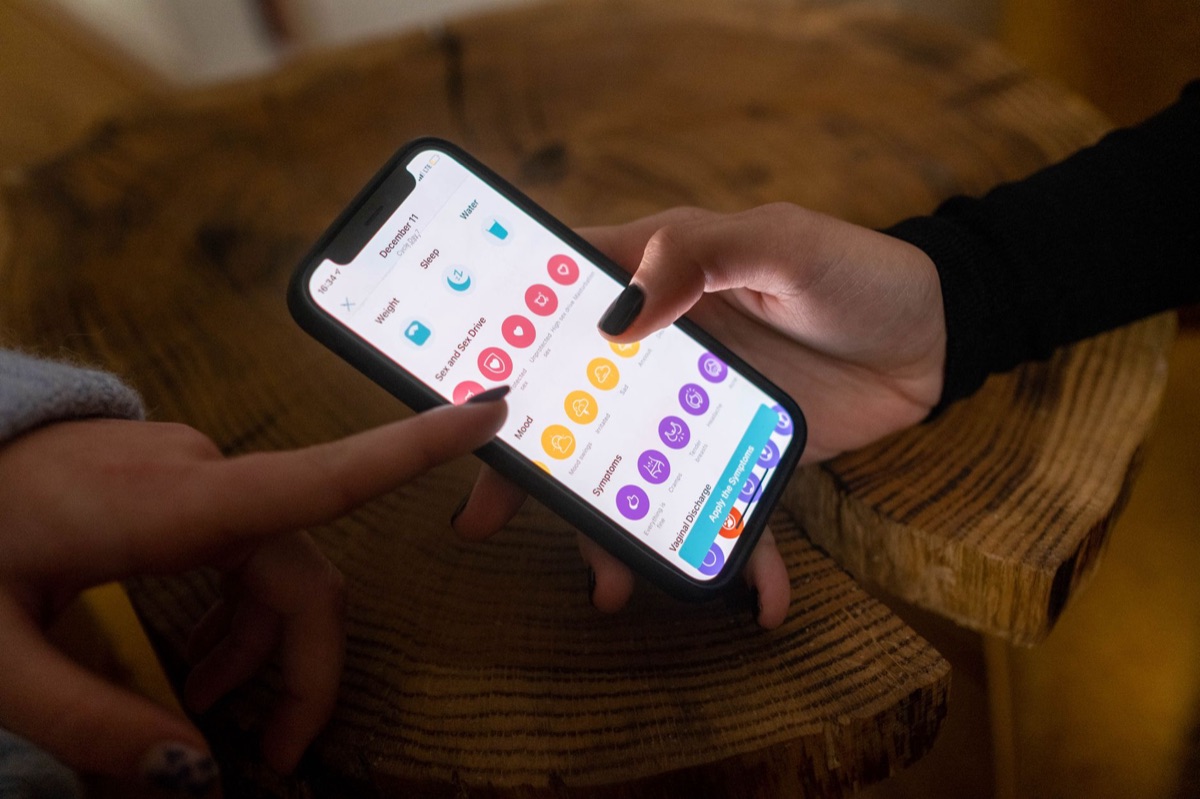
Why do some apps become boring so quickly?
It is 8:00 PM, and I am leaning back on the sofa after a long day of work, staring at a notification on my screen. "Complete your daily workout!" the app prompts, but my finger just swipes the message away without thought.
The meal logs that were filled every day last week are now nothing but empty white boxes.
The reason users often abandon these tools is closely tied to how the features are designed. If an app lacks elements that encourage immersion, the user loses interest almost immediately.
According to the Journal of medical Internet research, cognitive behavioral therapy (CBT) apps used less varied engagement features compared with 253 other mental well-being apps.
This lack of interactive features makes it difficult to keep users consistently engaged with their mental health goals.
Furthermore, the duration of the benefits provided by these apps can be limited.
Research from JMIR mHealth and uHealth found that while both intervention groups showed a significant effect in the form of reduced scores for depressive symptoms at 1 month in high school students, these effects were not observed at 2 and 4 months.
This indicates that while apps can serve as effective short-term psychological supports, they require more sophisticated strategies to foster long-term habit formation.
Too many features can actually make it harder to focus on the task at hand. If a daily log takes more than 10 minutes, it becomes a chore rather than a habit. To stay consistent, try limiting your focus to just three core metrics.
It is better to write one meaningful sentence every day than to attempt a massive data dump that you cannot sustain.
What do these app features actually do for me? I sit in a quiet corner of a local coffee shop and open my tablet. This time, I am not just looking at a calorie counter; I am running a sleep analysis app and a heart rate monitor simultaneously.
Watching how these different data points intersect to define my daily wellness is a fascinating process.
Most health apps can be categorized into three functional pillars: data collection, analysis, and behavioral prompting.
| Function Category | Primary Role | Expected Benefit | Main Limitation |
|---|---|---|---|
| Data Collection | Logging food, steps, and sleep | Objective self-awareness | Tedious manual entry |
| Analysis & Feedback | Visualizing data trends | Identifying problem areas | Risk of data misinterpretation |
| Behavioral Prompting | Notifications and challenges | Strengthening habit consistency | Notification fatigue |
Developers are increasingly using automation to reduce the "entry fatigue" users feel. Integrating with smartwatches or other wearable devices is a key way to overcome the limitations of manual data entry.
- Select only 1 or 2 primary topics to track to avoid overwhelm. 2. Set a single, consistent daily notification time. 3. Spend no more than 30 seconds reviewing your entry to keep it sustainable.

A three-step strategy for effective app usage
I lace up my running shoes and head out to the local park. My smartphone is secured in an armband, and the app is tracking my movement in real-time. I am not just letting the app run in the background; I am actively thinking about how to integrate this data into my life as I walk.
To maximize the effectiveness of a health app, consider this progressive approach:
- Define Specific Goals: Instead of a vague goal like "get healthy," use measurable targets such as "walk 7,000 steps a day" or "no eating after 8:00 PM."
- Diversify Your Data: Do not rely on a single app. Combine tools that track sleep, activity, and nutrition to get a holistic view of your health. 3. Conduct Regular Reviews: Every Sunday evening, look back at your weekly data to analyze your successes and setbacks. Use the app's trend graphs to guide your next week.
I recommend a tiered system for logging. Step one is "micro-logging," which takes under 5 minutes. Step two is a weekly summary. Step three is a monthly deep dive. I personally find that spending 10 minutes at the end of each month reviewing my progress provides a significant sense of achievement.
What should you watch out for when using these apps?
It is 11:00 PM, and I am lying in bed, facing the blue light of my phone screen. I am about to open a sleep induction app, but a thought stops me: Is this actually improving my sleep, or am I just documenting my insomnia?
It is vital to remember that health apps are supplementary tools; they are not a replacement for medical professionals. Any data provided should be treated as reference material. If you experience persistent symptoms or pain, you must seek professional medical advice.
In the broader healthcare landscape, a vast majority of medical needs are handled at the primary level. About 90% of medical visits can be treated by the primary care provider [T11].
You should use apps to monitor your trends, but if you notice red flags, seek professional medical intervention immediately.
Additionally, maintain a critical eye regarding data accuracy. Sensor errors or simple human mistakes during manual entry can compromise the reliability of your entire dataset.
Over-logging can also be counterproductive. Do not force yourself to fill out 10 different categories every day. If logging starts taking more than 20 minutes, it becomes a source of stress rather than a tool for health.
Before paying for expensive premium subscriptions, try to exhaust the utility of free features first.



Comments 0