AI health app effectiveness: Tips for wellness guide
"The digital era offers instant guidance, but a screen cannot replace a clinical diagnosis or the nuances of human interaction."
AI health app effectiveness remains a subject of debate as users seek automated solutions for wellness. These tools offer personalized data tracking and immediate feedback, but they also carry risks regarding data accuracy and mental health boundaries.
This guide explores how to use these tools effectively, what the technological limitations are, and how they compare to traditional care.
How does AI health app effectiveness work in daily life?
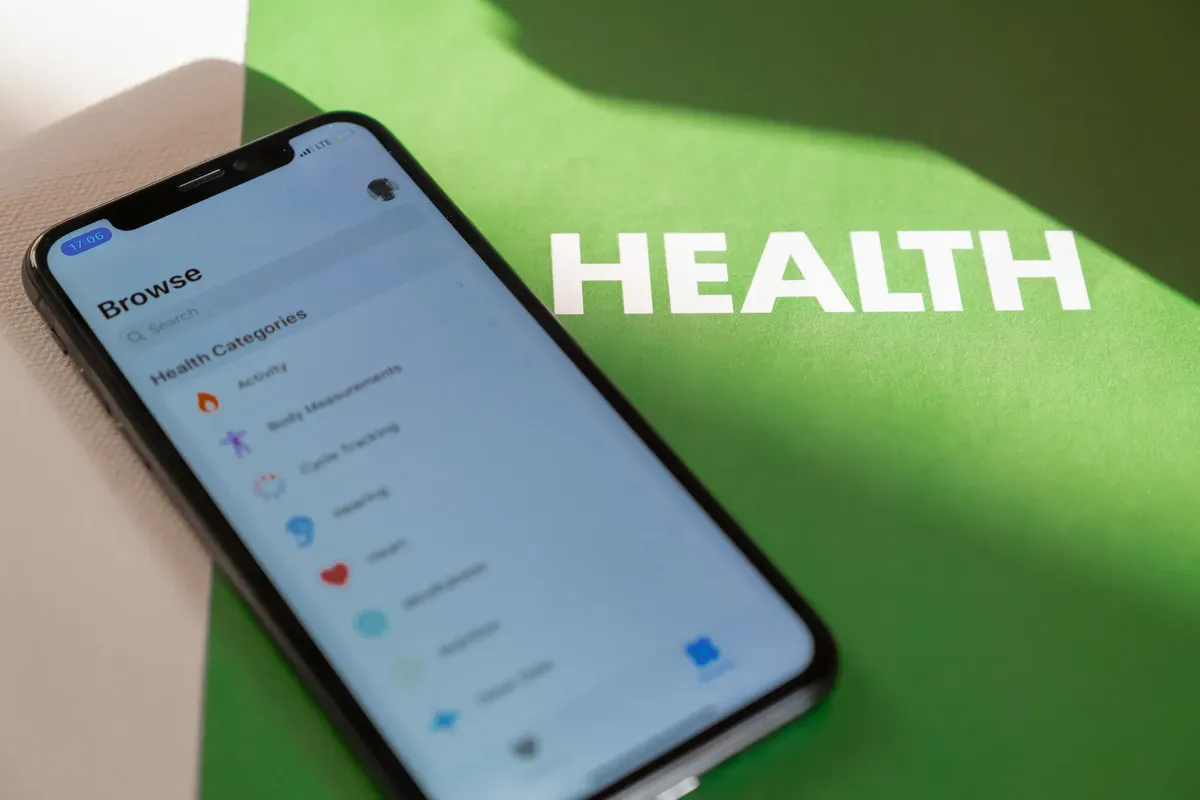
At dawn, she taps the glowing screen and feels a surge of determination to improve her daily health.
A user stares at a smartphone screen, checking a sudden spike in heart rate or a sleep score. They look for answers in the colorful graphs that represent their biological state.
According to the American Psychological Association, there is a health advisory regarding the use of generative AI chatbots and wellness applications for mental health.
An AI health app effectiveness strategy often begins with data collection through wearable sensors or manual input. These applications analyze patterns to suggest lifestyle changes, such as increasing physical activity or managing sleep hygiene.
For example, the COVID-19 pandemic has significantly reduced physical activity levels and increased sedentary behavior, which can lead to worsening physical fitness. This shift has driven more people toward digital tools to regain their fitness.
The real-world health app use involves understanding that algorithms can only process the data they receive. If a user provides inaccurate inputs, the resulting insights will be flawed. Users should treat these apps as supplements to, rather than replacements for, professional medical advice.
How will AI health apps actually benefit me? A person adjusts their morning routine based on a notification suggesting more movement. They feel a sense of accomplishment as they hit a daily step goal.
One significant AI health app benefits category is the ability to monitor physiological changes in real-time. For instance, some fertility-focused applications use algorithms based on the observation that post-ovulation, progesterone warms the female body by up to 0.45 °C.
This type of precision allows users to track biological cycles with relative ease.
Another aspect of user experience health tech is the convenience of having a health coach in one's pocket. These tools can provide reminders for medication, hydration, or exercise, helping to bridge the gap between clinical advice and daily habits.
This constant connectivity helps users stay mindful of their personal health metrics.
Why can't health app accuracy be fully trusted? A user questions a sudden notification about an irregular rhythm, feeling a mix of anxiety and confusion. They wonder if the sensor is faulty or if there is a genuine medical issue.
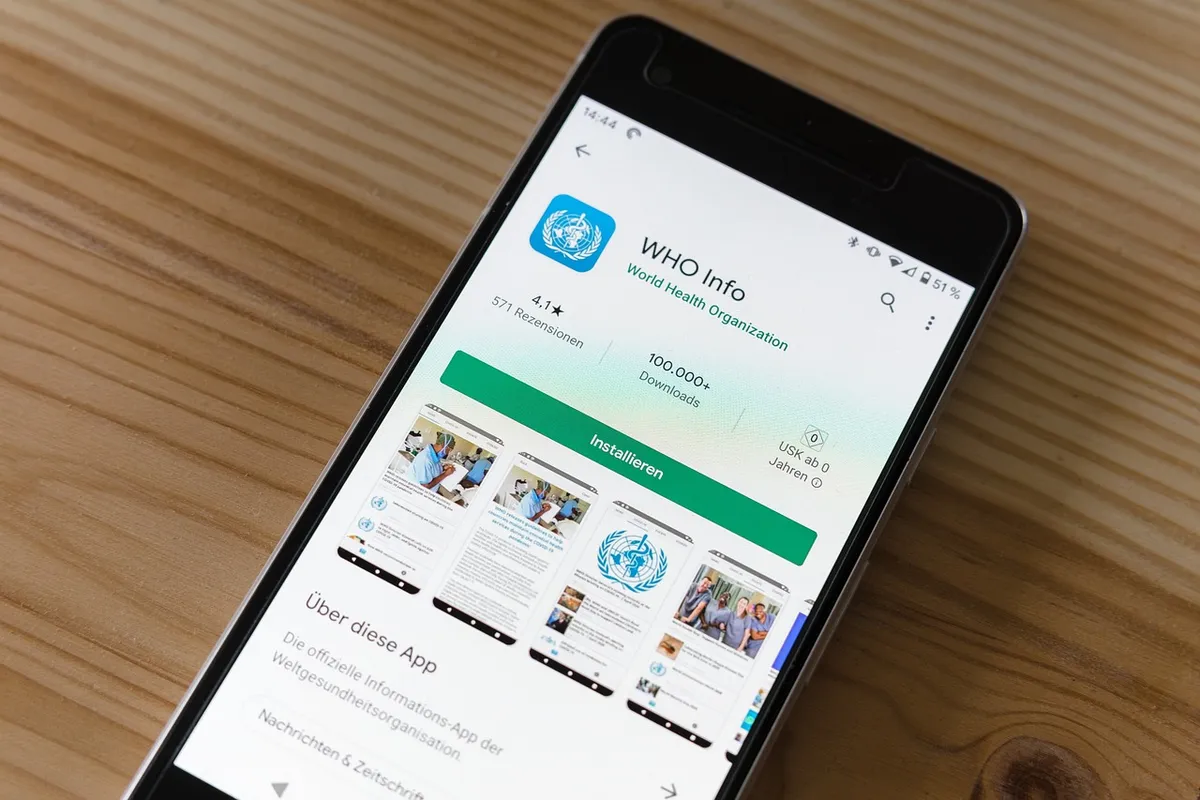
Despite the sophistication, an AI health app vs doctor comparison reveals significant gaps in reliability. While apps are excellent at tracking trends, they often lack the diagnostic authority of a trained professional.
A primary limitation is that algorithms cannot perform a physical examination or understand the full clinical context of a patient's history.
Furthermore, the data provided by apps is subject to sensor error and user error. Relying solely on a smartphone to manage complex conditions can lead to false reassurance or unnecessary panic. Users must remember that while technology tracks symptoms, it does not diagnose diseases.
How can we manage the risks of AI health monitoring limits?
A person sits in a quiet room, reflecting on how much time they spend staring at health statistics. They decide to put the phone away to focus on actual physical movement.
Managing AI health monitoring limits requires a balanced approach to digital engagement. To use these tools safely, follow these steps:
- Verify sensor accuracy by cross-referencing app data with manual measurements when necessary. 2. Use the data to inform lifestyle changes rather than making significant medical decisions without consultation. 3. Set boundaries on notification frequency to avoid digital fatigue or health-related anxiety.
Always perform a final check by consulting a healthcare provider if an app flags a significant health concern. I once found myself over-analyzing every minor fluctuation in my sleep data, only to realize my breathing patterns were being misinterpreted by the sensor.
This realization highlighted the need to treat app data as a suggestion rather than an absolute truth.
What is the role of social factors in digital health?
A person walks through a busy city street, noticing how the environment impacts their ability to stay active. They consider how their surroundings affect their overall wellness.
According to The Cochrane database of systematic reviews, obesity is considered to be a risk factor for various diseases, and its incidence has tripled worldwide since 1975.
The influence of the environment is a critical factor in health outcomes. According to the World Health Organization, the main determinants of health include the social and economic environment, the physical environment, and the person's individual characteristics and behaviors.
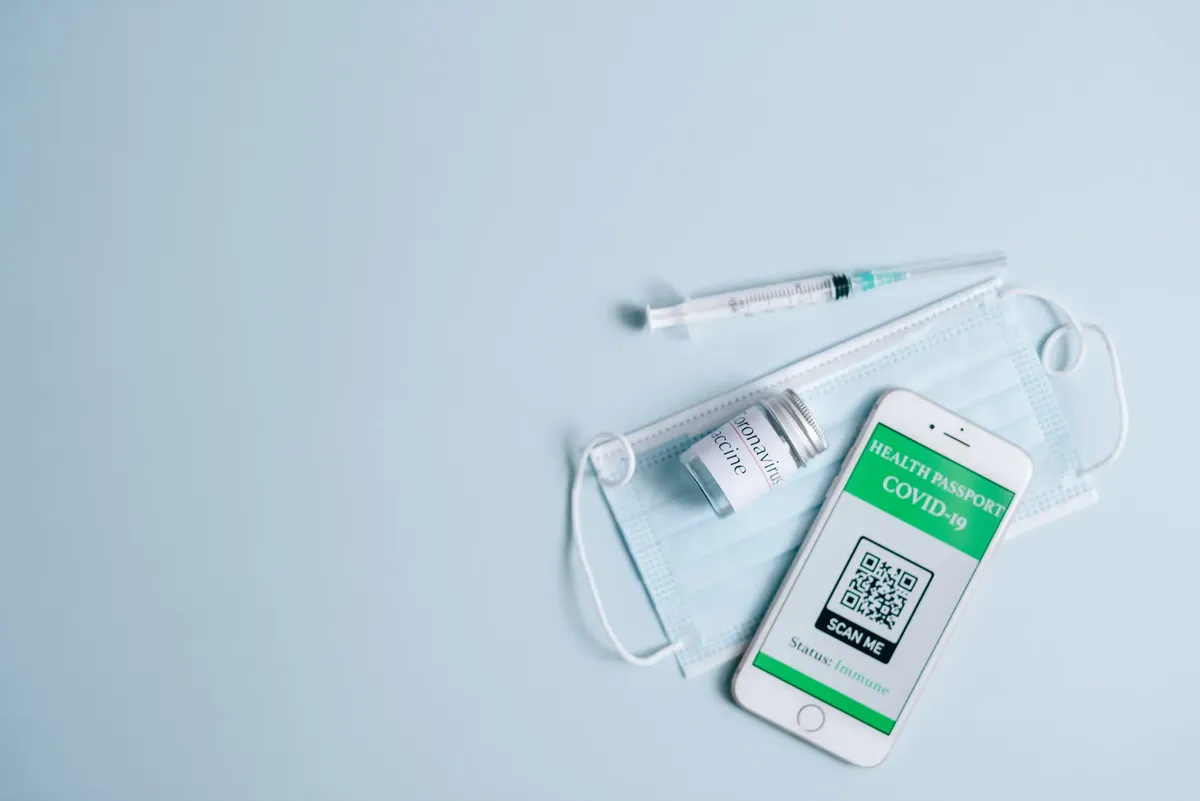
Digital tools often focus heavily on individual behaviors, sometimes overlooking these broader environmental influences.
Effective health management requires looking beyond the screen to these larger determinants. An app might suggest a walk, but the physical environment's safety or accessibility determines if that walk is possible.
Users must integrate digital insights with their real-world surroundings to achieve meaningful health improvements.
- How does AI health app effectiveness work in daily life?
- How will AI health apps actually benefit me?
- Why can't health app accuracy be fully trusted?
The same subject is also called health app accuracy review.
AI health app vs doctor
Related




Comments 0