Who is most likely to use health apps? Why health apps fail
"While many apps have been developed, there is some evidence that they have significant issues with sustained use."
The primary reason why health apps fail is a lack of long-term engagement, as users frequently drop off before achieving meaningful health outcomes. This guide explores why engagement wanes, how demographic factors influence usage, and how to select tools that actually support lifestyle changes.
* Understanding the 98% dropout rate * Identifying demographic trends in app usage * Evaluating the effectiveness of digital tools * Strategies for sustained engagement
Why does engagement drop so quickly?
A user stares at a smartphone screen, tapping through a colorful interface before setting the device down and forgetting it exists. This cycle of initial excitement followed by rapid abandonment is a common pattern in digital health.
According to the Journal of medical Internet research (2020), there are significant issues with sustained use among digital health users.
The research indicates that up to 98% of people only use the app for a short time before dropping out and/or dropping use down to the point where the app is no longer effective at helping to manage disease.
This high rate of attrition suggests that many tools fail to integrate into daily life effectively.
- Identify the initial motivation for using the tool.
- Recognize when the novelty wears off.
- Re-evaluate the app's value to daily routines.
Who is most likely to use health apps? Why health apps fail
A person checks their step count while walking through a bright, urban park. Understanding who uses these tools helps developers create more inclusive and effective software.

Research has shown that certain demographic profiles are more likely to engage with mobile health solutions.
According to JMIR mHealth and uHealth (2015), individuals more likely to use health apps tended to be younger, have higher incomes, be more educated, be Latino/Hispanic, and have a body mass index (BMI) in the obese range.
These trends suggest that current app engagement is not uniform across all populations.
In this sequence, the first step is the most critical.
How can we improve health app effectiveness?
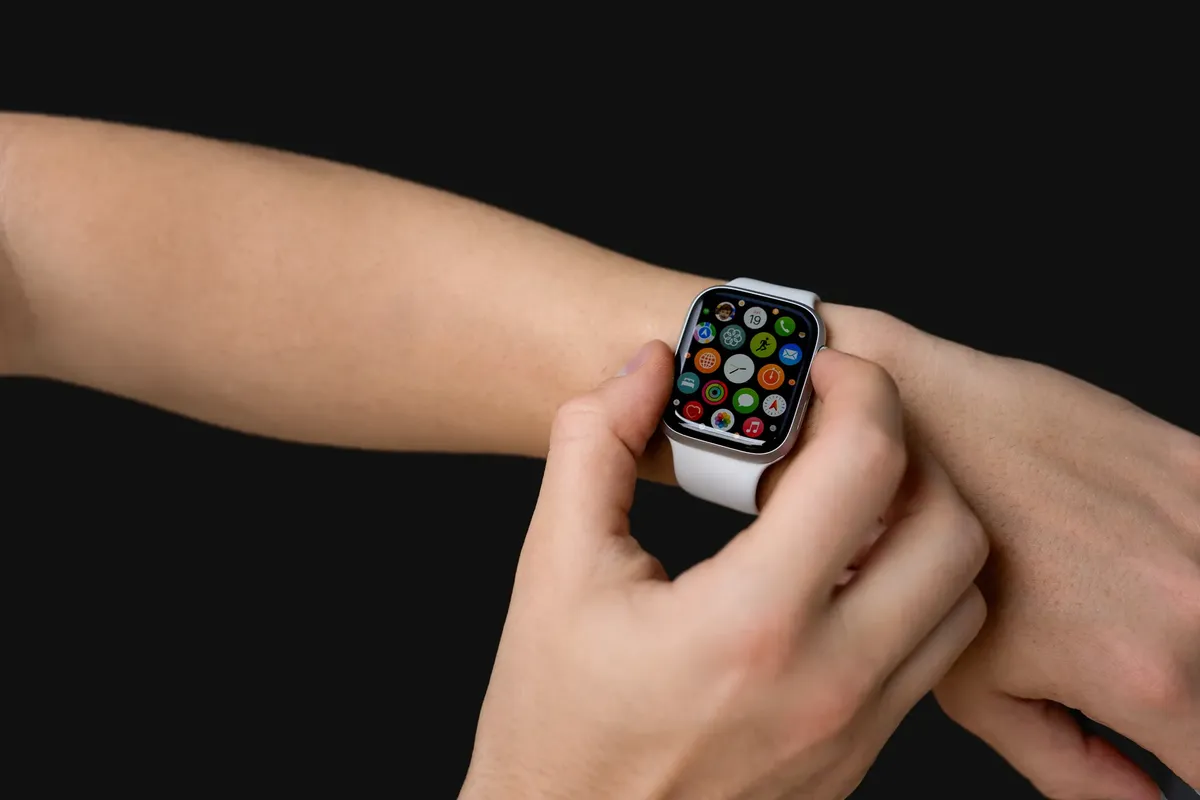
A user adjusts the settings on a wearable device to better track their sleep patterns. Improving the impact of these tools requires moving beyond simple tracking to meaningful behavioral support.
To address why health apps fail, developers must focus on long-term habit formation rather than just data collection. Solving the issue of app usage not working requires creating interfaces that prompt action rather than just passive observation.
One way to improve health app utility is to ensure the technology addresses specific clinical or lifestyle needs through interactive feedback.
How do we choose the right health app?
A person sits at a desk, comparing two different applications on a tablet. Selecting a tool requires looking beyond marketing claims to find functional value.
Choosing right health app options involves evaluating how well a tool fits into an existing routine. Rather than looking for the most features, users should look for tools that address their specific health goals.
If you are looking for alternatives to health apps, you might consider more traditional methods of health tracking or physician-led digital programs.
What are the alternatives to health apps?
A runner pauses to catch their breath, looking at a traditional stopwatch. Sometimes, the digital solution is not the most effective path to wellness.
Making health apps work often requires realizing that a phone is not a substitute for lifestyle changes. If a user finds that making health apps work is difficult, they may need to pivot to different methodologies.
Some people find that moving away from constant digital monitoring and toward manual tracking provides better results.
How to manage digital health tools
A person follows a structured routine, checking a printed checklist after using a mobile application. Managing digital health requires a disciplined approach to prevent the tool from becoming a distraction.

- Set specific, measurable goals that the app can actually track to prevent aimless clicking. 2. Schedule regular check-ins to review data and adjust the app's use to your current health status. 3. Evaluate the tool every few months to ensure it still provides value and is not being used out of habit alone.
I once tried to use a calorie tracker for three months, but I realized I was just inputting data without changing my eating habits.
The same subject is also called Health app no effect.
The same subject is also called Poor app features.
Related
- Health app real impact: Why app use no results occurs
- Why do current education app results fall short?
When are health apps most useful? While many apps offer tracking capabilities, their utility peaks when they facilitate direct behavioral modification. The technology proves most valuable when it guides users toward specific actions rather than merely recording existing data. This shift from passive logging to active prompting is what differentiates a useful tool from a temporary novelty.
This improved functionality is necessary because the high rate of attrition suggests that many tools fail to integrate into daily life effectively. Users need the app to actively assist in achieving health outcomes, not just document habits.
One way to improve health app utility is to ensure the technology addresses specific clinical or lifestyle needs through interactive feedback, making the usage feel purposeful.
What conditions make app usage unsustainable? While many users experience initial excitement, the condition of novelty wearing off often precipitates abandonment. The lack of long-term engagement is the primary reason why health apps fail, causing users to drop off before reaching meaningful health outcomes.
This pattern of initial excitement followed by rapid abandonment is a common occurrence in digital health. The research indicates that up to 98% of people only use the app for a short time before dropping out.
These trends suggest that current app engagement is not uniform across all populations, meaning the conditions for success vary significantly among users.


Comments 0