AI health app effectiveness: Why effects sometimes disappear
"The rapid integration of digital tools into our daily lives has transformed how we monitor our well-being, yet the lasting impact of these virtual assistants remains a subject of scrutiny."
Using an AI health app can provide immediate behavioral nudges, but its long-term effectiveness in maintaining sustained lifestyle changes is not yet established.
This guide explores the potential of digital tools to improve health behaviors, examines the temporary nature of some digital interventions, and highlights the necessity of clinical oversight.
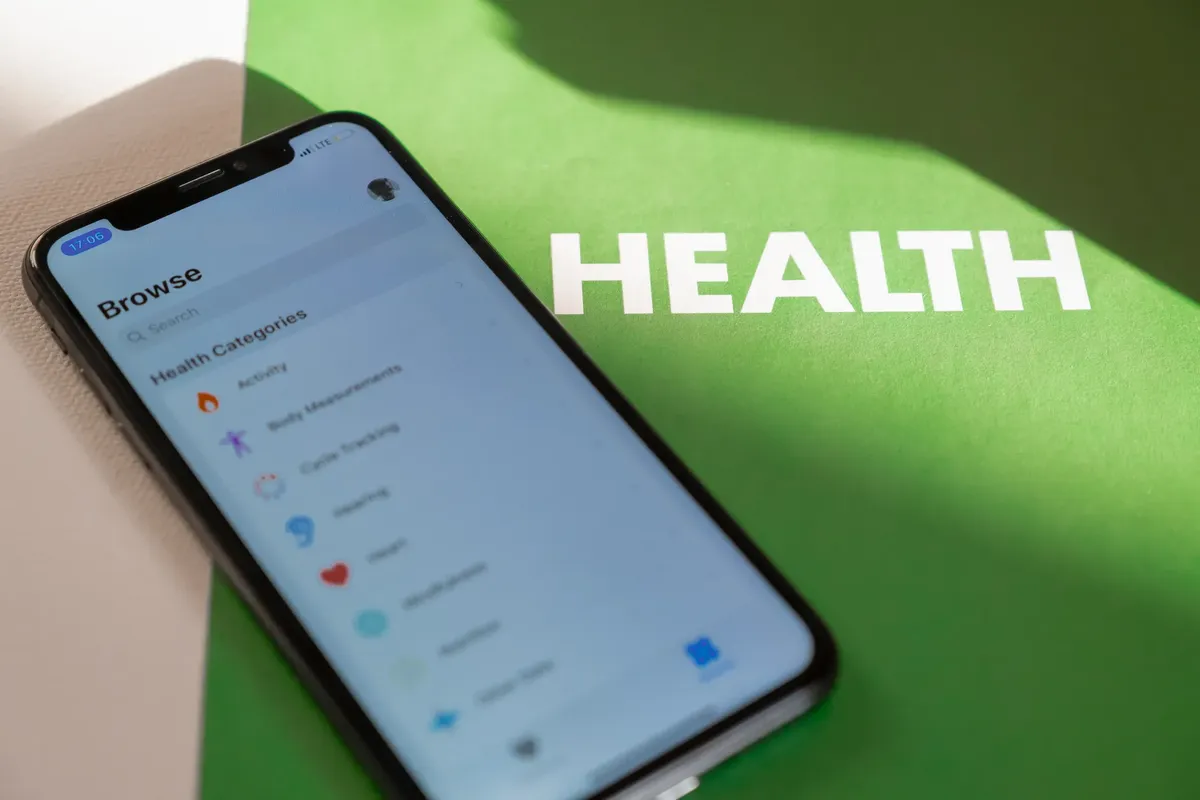
Key takeaways include the potential for lifestyle improvements through mobile health (mHealth) apps, the risk of diminishing effects over time, and the importance of understanding that digital tools are supplements rather than replacements for professional care.
Can an AI health app actually change my lifestyle? At dawn in the quiet kitchen, she taps the glowing screen to log her breakfast, feeling a surge of motivation for her new health journey.
A user taps a smartphone screen to log a meal or a workout, seeking immediate feedback from a digital interface. While digital tools can trigger changes, their efficacy often depends on the specific target of the intervention.
According to the international journal of behavioral nutrition and physical activity in 2023, a parent-oriented mobile health (mHealth) app-based intervention known as MINISTOP 1.0 showed improvements in healthy lifestyle behaviors.
This suggests that targeted digital tools can successfully nudge users toward better habits. However, the success of an AI health app review often depends on whether the engagement remains consistent after the novelty fades.
- Set specific, measurable goals.
- Integrate tracking into daily routines.
- Review progress to adjust habits.
Can digital tools really manage my mental health? Late at night in her dim bedroom, she types a heavy thought into the interface, feeling the cold glass of the phone against her palm while seeking mental health support.
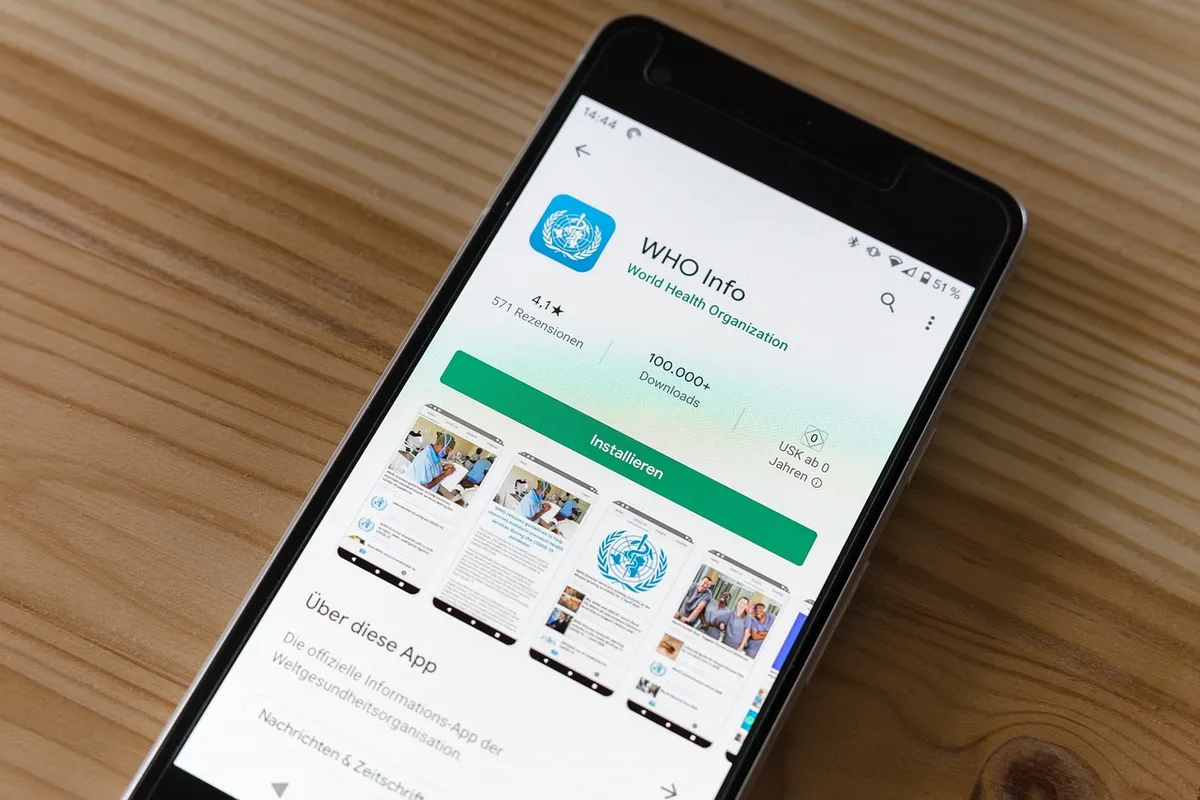
A person sits quietly, typing thoughts into a chat interface to seek emotional support from a generative AI. The intersection of technology and psychology has become a significant area of interest for those seeking accessible wellness tools.
The American Psychological Association (APA) issued a health advisory regarding the use of generative AI chatbots and wellness applications for mental health. While these tools offer accessibility, the clinical impact of such AI wellness tools is still being studied.
Users should be aware that while an AI health app review might suggest immediate relief, these tools are not a substitute for professional psychological intervention.
In this sequence, the second step is the most intensive.
Why do the effects of health apps sometimes disappear?
A student looks at a graph on a phone, noting that the initial progress in mood or fitness has leveled off after several weeks. This pattern of diminishing returns is a common challenge in digital health.
As reported by JMIR mHealth and uHealth, both intervention groups showed a significant effect in the form of reduced scores for depressive symptoms at 1 month in high school students, though these effects were not observed at 2 and 4 months.
In a study published in JMIR mHealth and uHealth in 2022, researchers observed that both intervention groups showed a significant effect in the form of reduced scores for depressive symptoms at 1 month in high school students. However, these effects were not observed at 2 and 4 months.
This highlights a critical limitation: initial improvements from digital interventions may not be sustainable over the long term.
How do we use these tools safely?
A person holds a smartphone in one hand and a medical report in the other, deciding whether to follow a digital suggestion. Integrating technology into a health routine requires a structured approach to avoid over-reliance.
To use digital health tools effectively, follow these steps:
- Define a specific health goal, such as increasing physical activity or improving sleep hygiene, to ensure the tool is being used for a clear purpose. 2. Monitor the data provided by the app to identify trends, but cross-reference these findings with physical sensations and professional advice. 3. Regularly evaluate the necessity of the tool to ensure it still serves your health goals and hasn't become a source of sedentary behavior.
Always perform a final check to ensure that the digital advice does not contradict the guidance provided by a primary care physician.
What are the limitations of AI health tracking?
A user stares at a screen showing a sudden drop in activity levels, reflecting on how much time was spent sitting. Understanding the boundaries of technology is essential for maintaining physical fitness.
The limitations of medical apps often stem from the fact that they cannot account for all environmental factors.

According to the World Health Organization, the main determinants of health include the social and economic environment, the physical environment, and the person's individual characteristics and behaviors. Relying solely on an app may overlook these broader context-driven factors.
| Intervention Type | Observed Effect | Duration of Effect |
|---|---|---|
| Parent-oriented mHealth (MINISTOP 1.0) | Improved healthy lifestyle behaviors | Not specified |
| High school student intervention | Reduced depressive symptoms | 1 month |
I noticed during my own research into these studies that while the initial data can be encouraging, the lack of long-term stability in some groups is a significant factor to consider.
Related
- Why AI health apps fail: Tips for bridging data wellness gap
- Who is most likely to use health apps? Why health apps fail
How does the rapid integration of digital tools affect user adherence? The rapid integration of digital tools into daily routines can initially boost user engagement because the immediate feedback mechanism is highly motivating. However, the sustained adherence often falters when the novelty wears off, mirroring the pattern seen in the high school student intervention.
This initial enthusiasm, fueled by the convenience of the digital interface, must be managed carefully to prevent users from expecting permanent behavioral shifts without corresponding real-world reinforcement.
The comparison between short-term gains and long-term maintenance underscores this challenge.
Users must recognize that the initial positive reinforcement provided by the app is a starting point, not a guarantee of lasting change, especially when considering the broader determinants of health.
When should clinical oversight supersede digital advice? Clinical oversight becomes paramount when the app's suggested actions conflict with established medical knowledge or when symptoms suggest a condition beyond the scope of the digital tool. The caution against over-reliance must guide every decision made using these systems.
If an AI health app review suggests a course of action that contradicts the guidance from a primary care physician, the physician's advice must take precedence. This hierarchy of care ensures that the technology functions as a supplement, not a replacement for professional assessment.
The necessity of clinical oversight is particularly evident when dealing with complex health conditions where environmental and individual characteristics play a substantial role, factors the app cannot fully capture.




Comments 0