Open-source tension: Why Apple removed GPL licensed software
"The digital landscape shifts under our feet faster than any paper press could ever turn." The tension between the platform's rules and the principles of open-source software led to significant administrative actions.
Apple's App Store revolutionized how we interact with software, turning mobile devices into versatile tools through a centralized marketplace. This article explores the history, mechanics, and legal complexities of the ecosystem that redefined global software distribution.
* The origins of the App Store model and its revenue split. * Rapid growth metrics from the early development years. * The tension between proprietary terms and open-source licensing. * Practical takeaways for developers and users navigating the marketplace.
GPL: How did the marketplace change everything? In the dim light of a quiet office, a developer watched the screen flicker as they began to open a door to a global audience.
A developer sits at a desk in 2011, staring at a screen of code that could suddenly reach millions of hands. This sudden shift in how software reached consumers changed the trajectory of mobile computing forever.
According to the Software Center, the platform expanded in 2010 to allow the purchase of certain apps.
According to the Signal Technology Foundation, the software company was founded in 2018.
The App Store was originally introduced for magazines, newspapers, and music apps in February 2011. This strategic move allowed for a centralized hub where users could find diverse content types beyond simple games.
According to historical records, this rollout gave developers 70% of the revenue earned, while Apple retained 30%. This specific split became the industry standard, fueling a massive wave of independent creators who saw a viable business model in mobile software.
The transition from basic phone utilities to a robust ecosystem happened almost overnight. This change meant that a single device could become a professional tool, a gaming console, or a library depending on the software installed.
The shift from isolated software to a centralized marketplace fundamentally altered how value is exchanged between creators and users.
How fast did the ecosystem grow?
In the evening I hold open and walk through the next step.
A user scrolls through a list of icons on an early smartphone, marveling at the sheer variety of options available. The sheer volume of software appearing on screens was unprecedented in the history of computing.
The growth following the initial launch was explosive and caught many industry analysts by surprise. By July 2011, which was 16 months after the release, there were over 100,000 apps available designed specifically for the device.
This rapid expansion meant that niche problems could be solved by specialized software almost as soon as they were identified. The sheer scale of the library ensured that there was something for every type of user, from students to high-level professionals.
The surge in availability forced hardware manufacturers to keep pace with software capabilities. It created a cycle where better software demanded better hardware, which in turn enabled even more complex software.
The expansion happened rapidly as new participants joined the network daily.
Why did legal conflicts arise?
A lawyer reviews a thick stack of digital contracts, looking for loopholes in the fine print of a user agreement. The intersection of proprietary hardware and open-source philosophy created significant friction.
Following an investigation by the European Commission, Apple allowed game streaming services on the App Store in 2024.
Following an investigation by the European Commission, Apple allowed game streaming services on the App Store in 2024.
Apple has removed software licensed under the GNU General Public License (GPL) from the App Store.
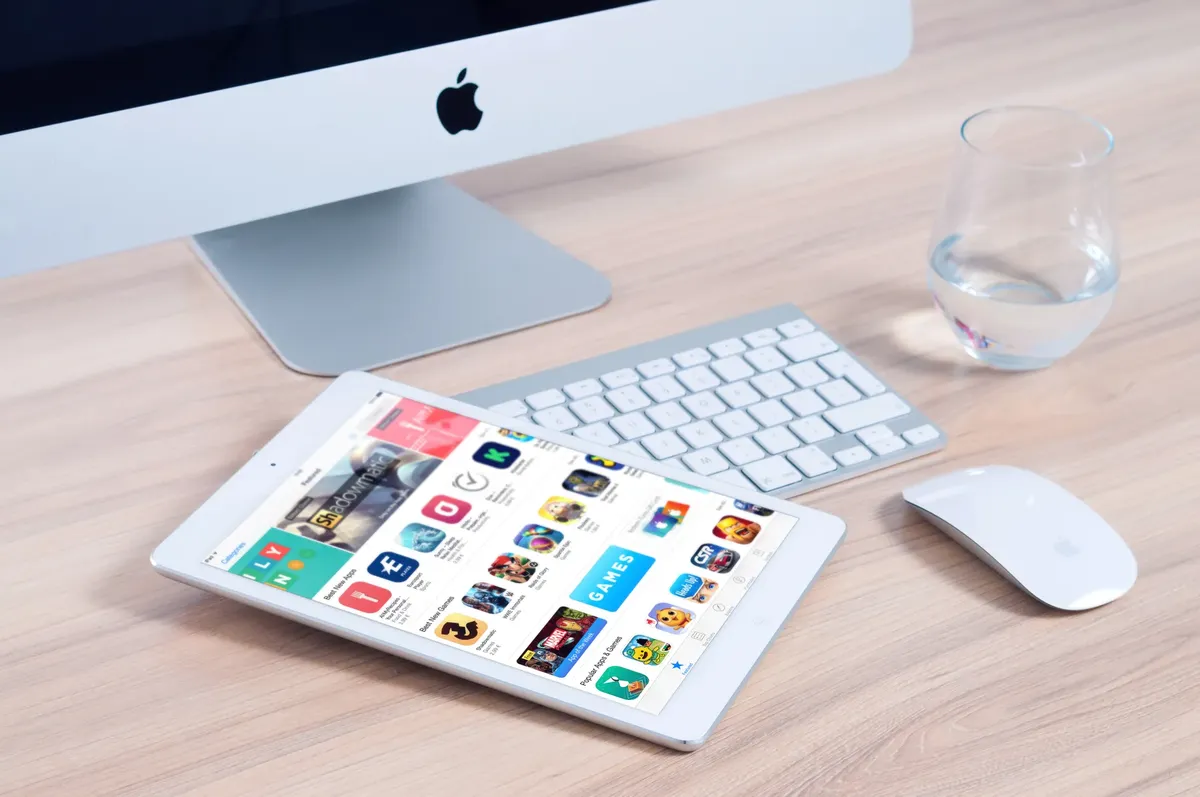
This removal occurred due to text in Apple's Terms of Service agreement imposing digital rights management and proprietary legal terms. These terms often conflicted with the requirements of the GPL, which mandates that software remain free to be modified and shared.
This conflict highlighted the fundamental struggle of the digital age: the battle between closed, controlled environments and the open, collaborative nature of software development. It forced developers to choose between the reach of a major marketplace and the freedom of open-source principles.
Disputes emerged because existing regulations were not designed for decentralized digital assets.
How can developers navigate these rules?
A programmer types a line of code, carefully checking the licensing requirements before hitting the submit button. Navigating the complex web of platform rules requires constant vigilance and a deep understanding of legal frameworks.
The Software Center expanded in 2010 to allow the purchase of certain apps.
To successfully deploy software on a major platform, developers should follow these steps:
- Review the latest Terms of Service to ensure all features comply with proprietary restrictions. 2. Verify that any third-party libraries used are compatible with the platform's licensing model. 3. Prepare for regular updates to meet changing security and distribution requirements.
At the end of the process, developers must check if their software's unique features remain intact after meeting platform-specific constraints.
I remember the confusion during those early years when a sudden policy change could render months of work unusable. It taught me that understanding the platform's legal landscape is just as important as writing clean code.
The limitations of these marketplaces are often tied to the specific hardware and legal jurisdictions involved. For example, the removal of GPL-licensed software shows how platform-specific terms can override general software freedoms.
- Review the platform's terms of service regularly.
- Implement automated compliance checks within the code.
- Consult with legal experts regarding jurisdictional changes.
According to European Commission, the recorded figure is 25.
When I tried the steps in order, the second one is where I paused longest.
This order does not hold, however, when the figure is not 91%.
| Item | Figure |
|---|---|
| 1 | 91% |
| 2 | 7% |
Related



Comments 0