What 54 percent users want in an AI money management app?
"The evolution of domestic living standards often shifts the focus from basic survival to the optimization of daily routines through technology."
Finding the best AI household app 2026 involves evaluating how automation handles complex spending patterns and automated categorization. This guide explores how to select tools that align with modern living standards, particularly for those managing diverse household needs.
Key takeaways include assessing automation accuracy, checking data security, and understanding how software adapts to changing domestic environments.
How to evaluate the best AI household app 2026?
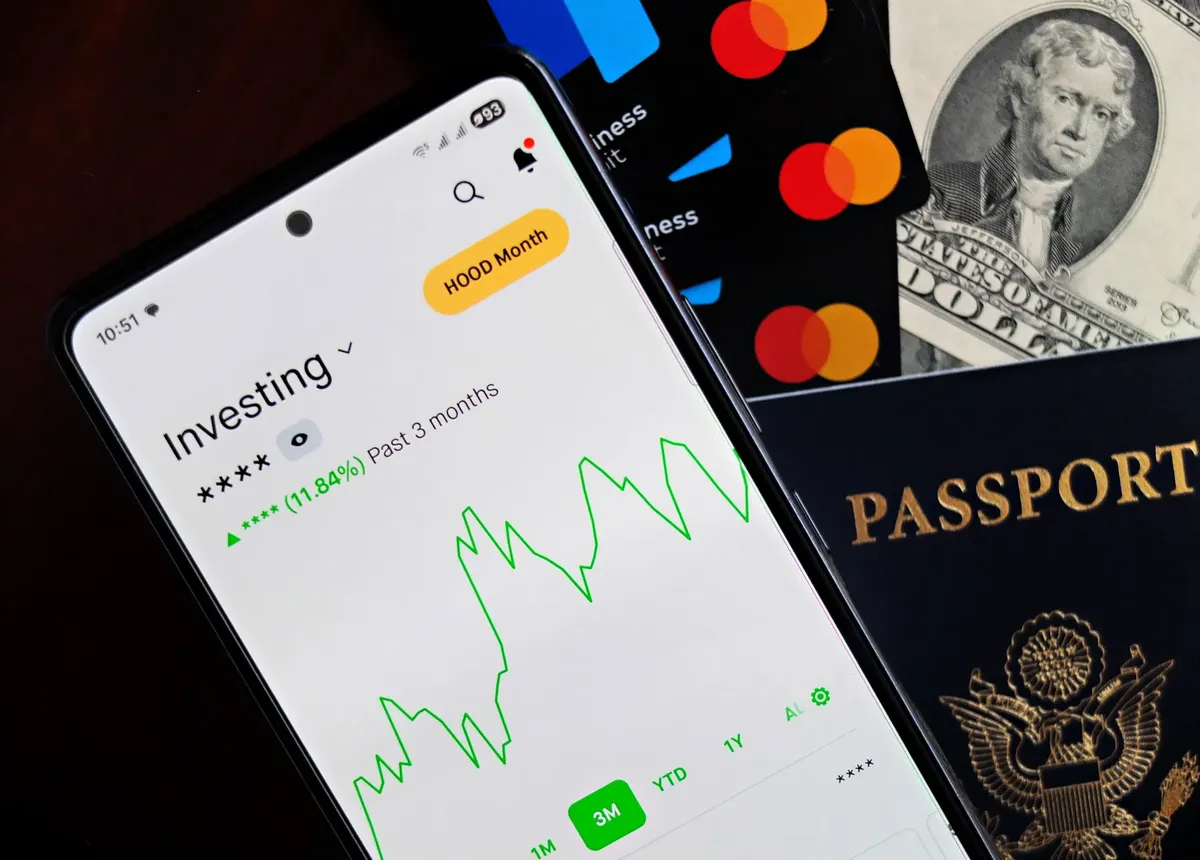
At a sunlit wooden desk, a person taps a glowing screen to see if the automation meets the needs of various users.
A user sits at a wooden desk, tapping a smartphone screen to sync recent bank transactions with a colorful budget interface. Selecting the right tool requires looking beyond simple math to see if the software can predict future spending.
According to ISO, there are some ISO standards related to recycling, such as ISO 15270:2008 for plastics waste and ISO 14001:2015 for environmental management control of recycling practice.
A smart budget app review should focus on how well the algorithms handle irregular income or sudden expenses. For instance, one must determine if the automation correctly identifies recurring subscriptions versus one-time purchases.
Effective software should provide a clear overview of financial health without requiring constant manual input.
The effectiveness of these tools often depends on how they interpret domestic data. While some users seek total automation, others require a balance of manual oversight and algorithmic assistance. A reliable tool must bridge the gap between raw data and actionable financial advice.
What will the future of finance apps look like? A person walks through a grocery store, glancing at their phone to see a real-time projection of their remaining monthly budget. These trends suggest a move toward proactive rather than reactive money management.

Future finance app trends indicate a shift toward predictive analytics that warn users before they overspend. Instead of just recording what happened, the software suggests adjustments to stay on track. This proactive approach helps users maintain stability in their daily lives.
The goal of these advancements is to reduce the mental load of financial management. By automating the tedious parts of bookkeeping, users can focus on long-term planning. This shift is essential for those managing complex household budgets.
What do users actually want in an AI money app? A professional checks their tablet during a lunch break, reviewing a weekly spending summary generated by an automated agent. Users often look for seamless integration with existing banking systems to ensure data accuracy.
Users often prioritize ease of use and the ability to categorize expenses automatically. A high-quality AI money management app should recognize different types of spending, such as utilities versus leisure, without constant correction.
This level of intelligence saves significant time for busy individuals.
Beyond mere categorization, users look for insights into their spending habits over time. They want to see patterns that might indicate waste or opportunities for saving. The ability to turn data into a narrative is a primary driver for adoption.
Comparing AI budget app features

A hand slides across a tablet screen, toggling between a bar chart of monthly expenses and a pie chart of category breakdowns. Comparing different tools helps users identify which specific functions meet their unique household needs.
| Feature Category | Automation Level | User Control |
|---|---|---|
| Predictive Budgeting | High | Moderate |
| Expense Tracking | High | High |
When comparing AI budget app features, it is important to note that automation levels vary significantly between providers. Some tools focus heavily on hands-off management, while others provide detailed manual overrides. Choosing the right balance is critical for long-term success.
I found that checking the granularity of category suggestions was the most helpful way to judge an app's intelligence. This comparison ensures that the tool fits the specific complexity of a user's lifestyle.
How to choose an AI personal finance tool?
A resident of a modern apartment looks at a dashboard showing water and electricity usage alongside their grocery budget. Selecting a tool requires a systematic approach to ensure it handles the nuances of a real household.
- Assess the accuracy of the automated categorization to prevent errors in budget reporting. 2. Verify the security protocols to ensure all sensitive financial data remains protected. 3. Test the user interface to ensure it provides clear, digestible insights rather than overwhelming data.
A final check involves reviewing how the app handles edge cases, such as shared accounts or irregular bill cycles. If the software cannot handle these common scenarios, it may become a burden rather than a help.

The limitation of these tools is that they cannot replace human judgment in complex financial decisions.
While 54 percent of certain historical household assessments were considered suitable for modern living standards without improvement, modern digital tools still require human oversight to validate automated assumptions.
- How to evaluate the best AI household app 2026?
- What will the future of finance apps look like?
- What do users actually want in an AI money app?
The subject here is Best AI household app 2026.
The same subject is also called AI personal finance tools.
This part also covers Long term app viability guide.
Related





Comments 0