AI home app not working: Why automation fails guide
"The gap between a digital promise and a physical reality often leaves users wondering why automation fails to manage the messy details of a household."
An AI home app not working often stems from a mismatch between complex digital algorithms and the unpredictable nature of physical environments.
This guide explores why these tools fail to meet expectations, looks at the difference between digital engagement and practical utility, and identifies the limitations of automated sorting and management.
Why does an AI home app not working happen?
At midnight in the dim living room, I tap the unresponsive screen and feel a cold surge of frustration as the automation fails to sync with my home.
A user stares at a smartphone screen, tapping an icon to trigger a routine that fails to synchronize with the physical reality of a cluttered living room. The disconnect between software and hardware remains a primary reason for an AI home app not working.
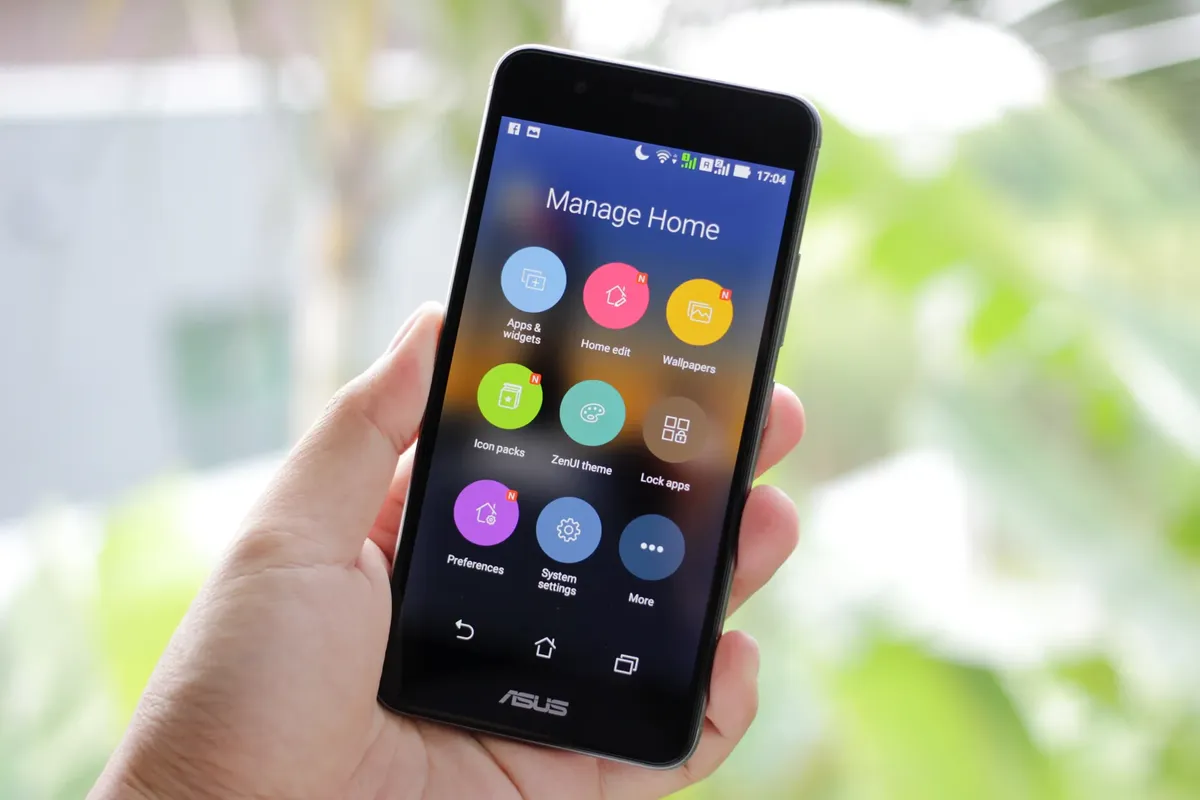
The discrepancy often arises because digital logic assumes a level of consistency that physical environments do not provide. While software can process data instantly, it cannot always account for the physical friction of a real-world household.
This gap creates a sense of frustration when the automation fails to execute as promised.
Is digital engagement really the same as household utility?
In the quiet kitchen at dusk, I tap the glowing screen and feel a hollow sense of emptiness as the digital buzz fails to provide actual utility for my home. A person scrolls through a social media feed on a tablet, distracted by notifications while trying to manage a grocery list. Understanding the difference between active engagement and functional utility is vital for evaluating any management tool.
The metrics used to define success in the digital world often do not translate to effective home management.
For instance, the authors describes Facebook monthly active users criterion as registered users past 30 days, have used the messenger, and took action to share content and activity differing from LinkedIn who uses registered members, page visits and views.
This type of engagement focuses on interaction rather than the successful completion of physical tasks.
In 2014, 88% of corporation's purpose of social media usage is advertising. This focus on engagement over utility means that many apps are designed to keep users looking at screens rather than solving domestic problems.
An AI home app not working might be a result of a design philosophy that prioritizes screen time over practical efficiency.
Can automation actually handle complex material sorting?
Standing in the cluttered garage at dawn, I watch the mechanical arm twitch and feel a sharp sting of doubt as the machine fails to sort the mess in my home. An individual stands before a bin, wondering if the automated sensor can correctly identify a stray piece of plastic or metal. The difficulty of managing physical objects is a significant hurdle for any automated system.
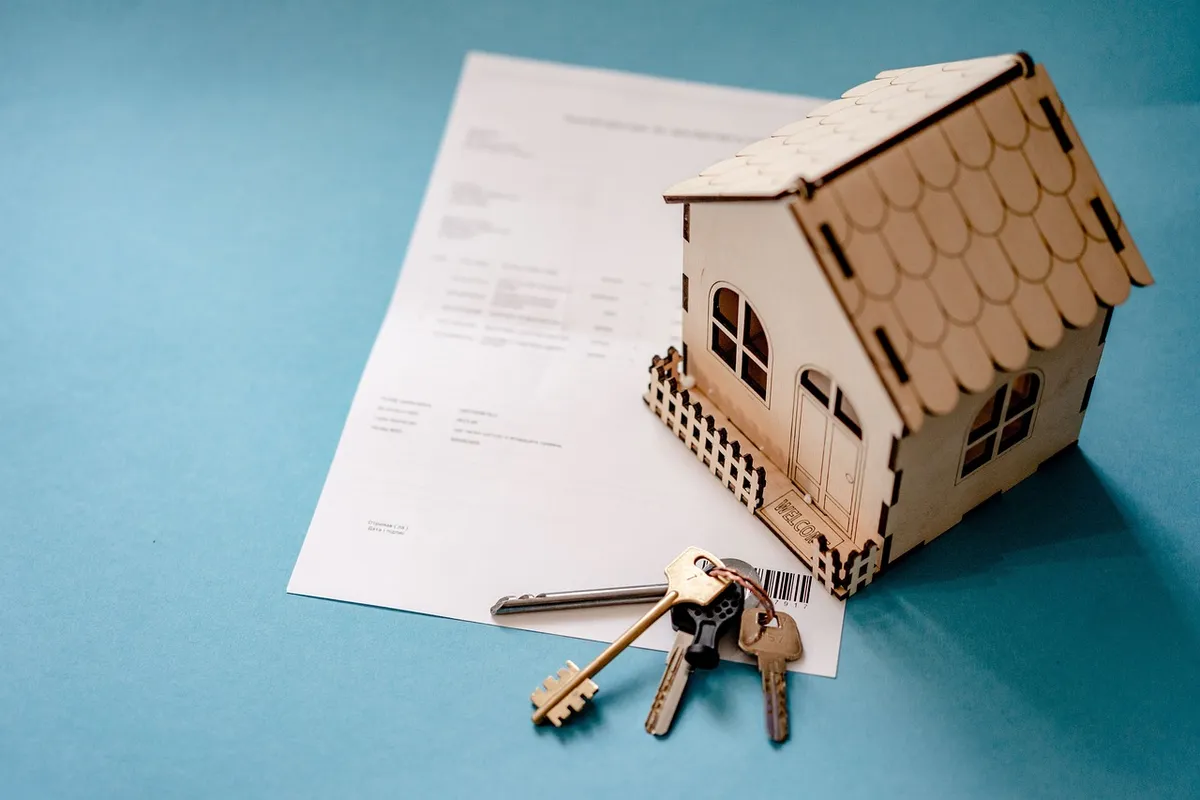
According to the Danish Environmental Assessment Institute, a 2004 assessment concluded that incineration was the most effective method for disposing of drink containers, even aluminium ones.
Effective management requires precise categorization, yet physical materials are often difficult to process. Despite improvements in technology and quality of recyclate, sorting facilities are still not 100% effective in separating materials.
This lack of perfect separation in industrial settings suggests that domestic AI-driven sorting faces similar accuracy challenges.
The complexity of physical matter makes it difficult for sensors to achieve perfect results. If professional facilities struggle with material purity, a consumer-grade app will likely face even greater hurdles.
How do we compare energy efficiency and management?
A technician examines the energy consumption of a new smart appliance compared to a traditional manual model. Understanding the efficiency of different processes helps in determining if an automated tool provides a real benefit.
When looking at resource management, the energy required for different processes varies greatly. Recycling aluminium uses only 5% of the energy of virgin production.
This high level of efficiency in specific processes shows that manual or specialized tasks can sometimes be more efficient than complex, energy-heavy automated systems.
The following table compares energy usage and success rates in resource management contexts:
| Process Type | Efficiency/Success Metric |
|---|---|
| Aluminium Recycling | 5% of virgin production energy |
| Recycling Programs | 80% average recycling rate |
I noticed that while the energy savings are significant, the complexity of managing these systems often requires human oversight.
What are the steps to evaluate a management tool?
A homeowner sits at a desk, reviewing the performance logs of a newly installed smart home system. To determine if a tool is actually helping, one must follow a structured evaluation process.
- Define the primary physical task the tool is intended to automate. 2. Measure the time saved versus the time spent managing the app itself. 3. Verify the accuracy of the tool's outputs against real-world conditions.

A final check involves comparing the tool's performance against the original problem it was meant to solve. If the management of the tool becomes a task in itself, the automation has failed to provide value.
What are the limitations of automated systems?
A sensor fails to detect a movement in a dimly lit room, triggering a false alert on a user's phone. Understanding the boundaries of technology is essential to prevent over-reliance on unreliable automation.
The effectiveness of an AI home app not working is often limited by the unpredictable nature of the physical world. Just as industrial sorting is limited by material variety, domestic AI is limited by the lack of perfect sensory data.
An AI home app not working can be a result of these inherent technical boundaries.
Does high engagement mean the app is effective?
No, because engagement metrics like those used by Facebook, such as registered users who used the messenger or shared content, do not necessarily reflect the successful management of a physical home.
Is total accuracy possible in sorting?
No, because despite improvements in technology and quality of recyclate, sorting facilities are still not 100% effective in separating materials.
The primary limitation of these tools is that they cannot perfectly replicate the nuance of human intervention in a physical environment.
How does the gap between digital promise and physical reality manifest? 1. The disconnect between software and hardware manifests when a routine fails to synchronize with the actual state of the living room. 2. The assumption of consistency within digital logic clashes with the unpredictable friction found in a real-world household. 3. This disparity causes user frustration when the promised automation does not execute correctly.
What conditions lead to poor practical utility? Poor practical utility arises when the metrics used to define success in the digital sphere do not align with effective home management. For instance, digital engagement focuses on interaction, which differs from the successful completion of physical tasks. The gap between the digital promise and the physical reality becomes evident when screen time is prioritized over domestic problem-solving.

The complexity of physical matter presents a significant hurdle for any automated system attempting categorization. Even professional sorting facilities struggle with material purity, which suggests that domestic AI-driven sorting will encounter comparable accuracy challenges.
This difficulty in processing physical objects limits the effectiveness of the technology.
When evaluating a management tool, one must compare the time saved by the automation against the time spent managing the application itself. If the management of the tool becomes a task in itself, the automation has failed to provide value, regardless of the initial digital promise.
- Why does an AI home app not working happen?
- Is digital engagement the same as household utility?
- Can automation handle complex material sorting?
Related






Comments 0