Why AI health apps fail: Tips for bridging data wellness gap
"The digital era promises personalized wellness through a screen, yet many users find themselves staring at empty progress bars and unchanged habits."
The primary reason why AI health apps fail to produce lasting results often stems from a lack of clinical depth and the disconnect between digital engagement and actual behavioral change. For users seeking meaningful improvements, understanding the gap between engagement and efficacy is essential.
This article explores the limitations of current technology, examines demographic trends in app usage, and provides a guide for navigating digital wellness tools.
Why AI health apps fail to change habits?
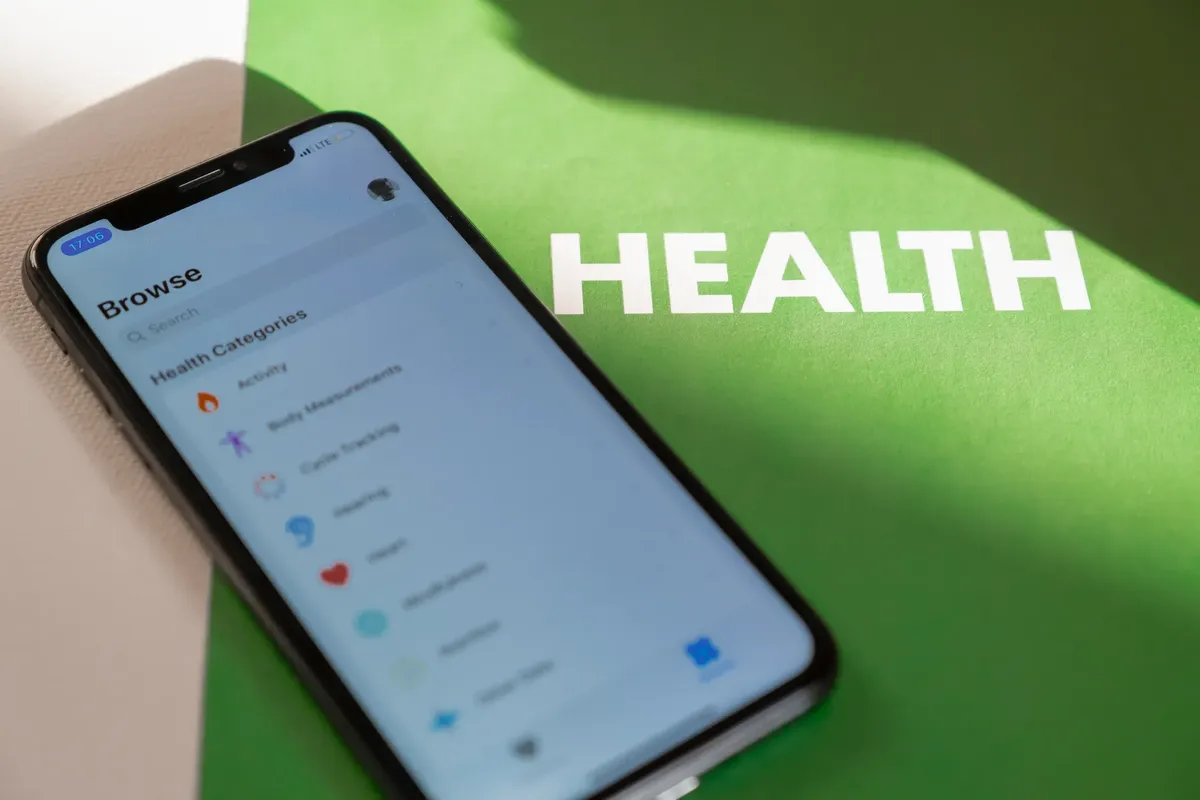
At midnight, he sighs while tapping a glass screen, feeling the hollow sting of another day where his digital health goals remained unchanged.
A user stares at a smartphone screen, tapping through a checklist that feels increasingly repetitive and disconnected from their physical reality. While the interface is seamless, the lack of real-world impact leaves them questioning the value of the software.
The efficacy of digital interventions often depends on how well they translate into lifestyle changes. According to the Journal of medical Internet research (2020), correlations between certain engagement metrics and the frequency of use were nonsignificant or small.
This suggests that simply using an app more often does not guarantee better health outcomes.
Furthermore, the difference between users who adhere to protocols and those who do not is significant. This gap highlights that high engagement does not always equate to successful health management. If the app does not drive meaningful action, the user experiences a cycle of empty interaction.
Most users struggle because these tools often focus on data collection rather than behavioral psychology, creating a disconnect between tracking metrics and real-world lifestyle changes.
Who is using these tools most often?
At dawn, a tech-savvy athlete grips a smartphone in a quiet gym, glancing at the screen to monitor their health.
A young professional sits in a brightly lit office, checking their nutritional data on a sleek mobile device. They represent a specific demographic that frequently turns to technology to manage health metrics.
Understanding the user base helps identify why certain tools are developed and how they are perceived.
According to JMIR mHealth and uHealth (2015), individuals more likely to use health apps tended to be younger, have higher incomes, be more educated, be Latino/Hispanic, and have a body mass index (BMI) in the obese range.
These demographic trends suggest that app development often targets specific socioeconomic groups. This focus can lead to tools that may not address the needs of the broader population. Identifying these patterns is a key part of understanding the current landscape of digital health.
Engagement typically peaks among tech-savvy individuals and fitness enthusiasts who already possess a baseline interest in health monitoring.
How to improve app health results?
A person sits on a yoga mat, attempting to reconcile the digital instructions on their tablet with the physical sensations in their body. They realize that the app is only a tool, not a substitute for physical presence.
To move beyond basic tracking, users must integrate digital insights with tangible lifestyle adjustments. Improving app health results requires a shift from passive monitoring to active implementation of health strategies.
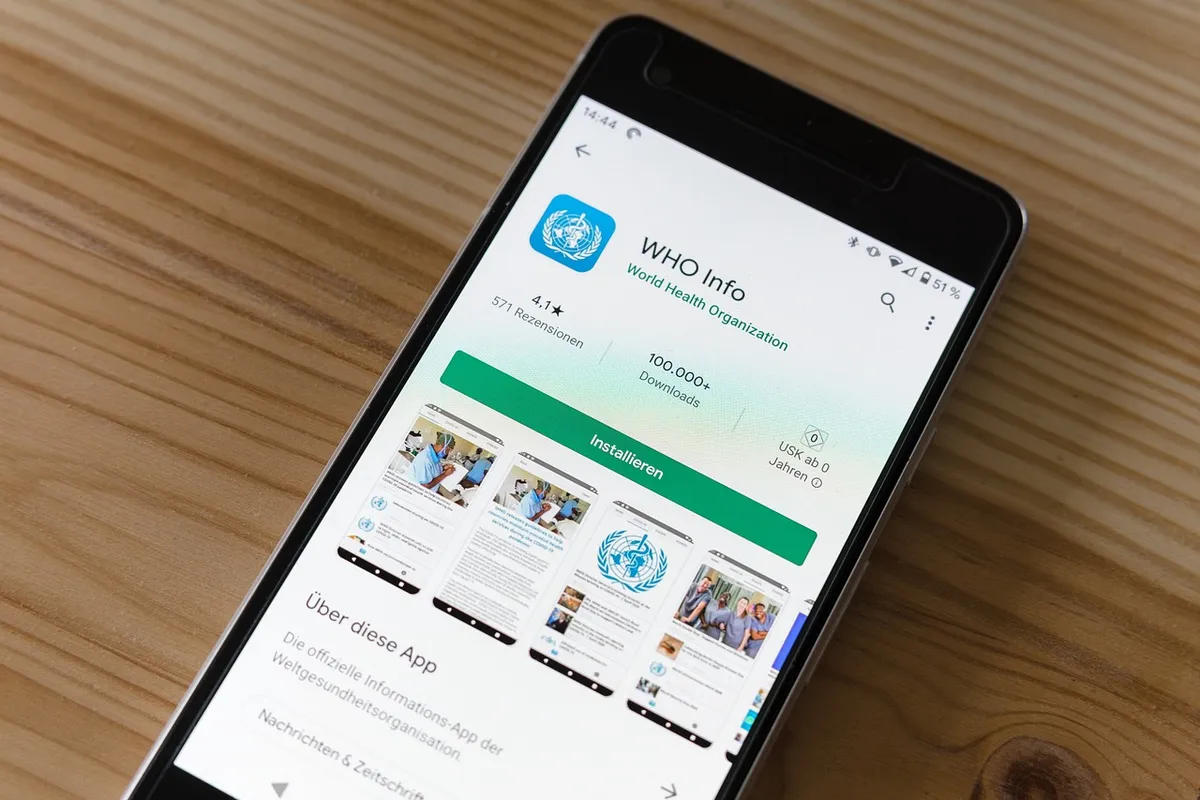
- Set specific, non-digital goals that require physical movement or dietary changes. 2. Use data from the app to identify patterns rather than just chasing high engagement scores. 3. Integrate the app's suggestions into a routine that exists independently of the device.
I found that checking my daily progress against these manual steps helped me distinguish between actual health gains and mere digital activity. A final check involves ensuring that the app serves your lifestyle rather than dictating it.
- Personalize notifications to match individual user schedules and goals.
- Simplify data visualization to make insights immediately actionable.
- Integrate social accountability features to maintain long-term engagement.
Is there a way of fixing health app flaws?
A developer reviews a line of code on a monitor, attempting to bridge the gap between algorithmic suggestions and human biological needs. They seek a way to make the technology more responsive to individual variability.
Addressing the technical and clinical limitations of software is essential for long-term success. Fixing health app flaws involves moving toward more robust, evidence-based frameworks that account for human behavior.
The goal is to create tools that act as bridges to better health rather than ends in themselves. This requires better integration of clinical insights and user-centric design.
Developers can address fundamental flaws by moving away from generic advice and toward context-aware guidance that adapts to a user's daily fluctuations.
How can we bridge the gap between data and wellness?
A clinician reviews a patient's digital health report, looking for meaningful trends amidst a sea of data points. They look for the human story behind the numbers.
The disconnect often occurs because data alone does not constitute health. Bridging the gap requires translating raw numbers into actionable, sustainable behaviors.
One method involves moving toward interventions that, like the MINISTOP 1.0 app, focus on specific lifestyle behavior improvements. By targeting specific areas such as nutrition or physical activity, apps can provide more structured guidance.
| Metric Type | Targeted Outcome |
|---|---|
| Engagement Frequency | Behavioral Adherence |
| Demographic Profiling | User Accessibility |
I compared these two different approaches to see how they impact the user experience differently.
Bridging this gap requires translating raw numbers into meaningful lifestyle adjustments that users can implement without constant supervision.
What are the limitations of digital health?
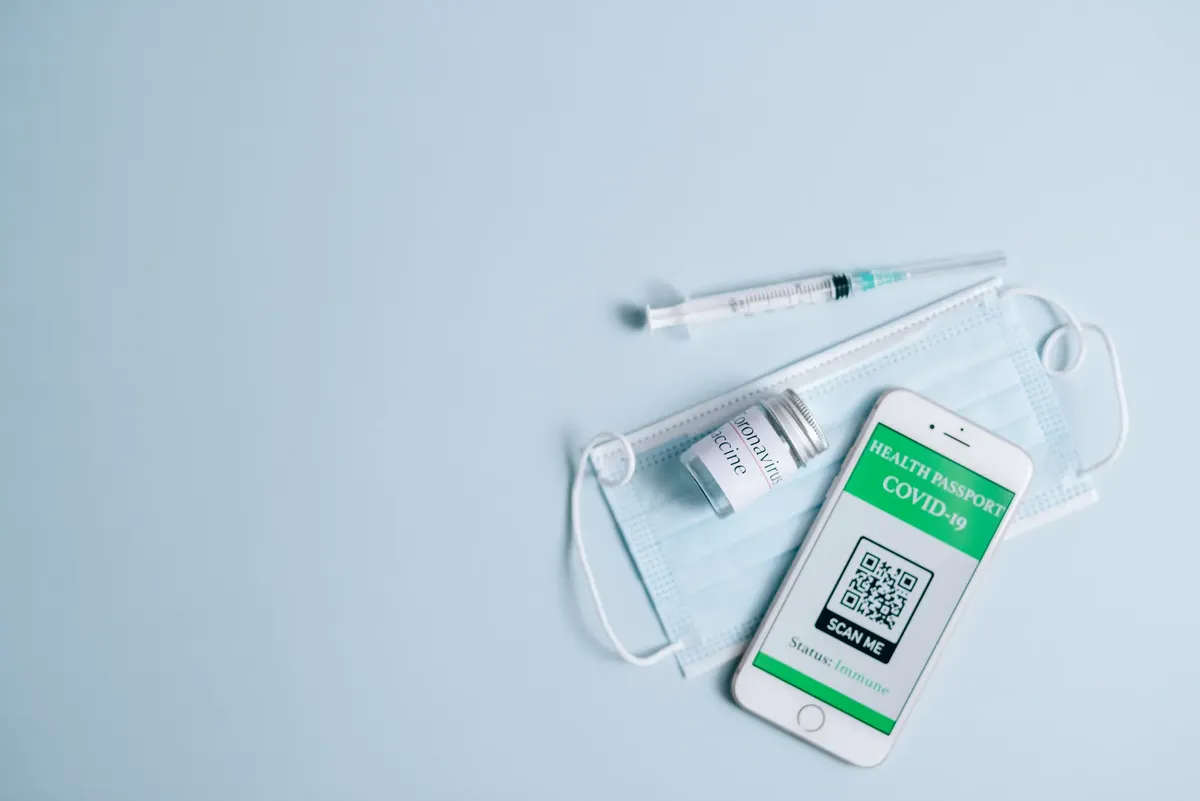
A researcher looks over a study report, noting the absence of a control group and the challenges of long-term data collection. They recognize the inherent difficulties in validating digital interventions.
Digital health tools face significant hurdles in proving long-term efficacy. Limitations can include the lack of clinical oversight and the difficulty of maintaining user engagement over time.
A significant limitation is that studies often lack a control group or a fixed dosage of medicine, and some show a drop-off in follow-up data after 4 weeks. This makes it difficult to determine if the app's effects are sustainable or merely temporary.
Digital tools cannot replace physical examinations or the nuanced understanding provided by human healthcare professionals, nor can they account for every environmental variable affecting health.
Related




Comments 0